In brief
The UN peacekeeping mission in Lebanon, known as Unifil, shot down an Israeli drone that was reported to be flying aggressively near the border. The Israeli military described the drone's mission as routine intelligence gathering. This incident has raised concerns about the ongoing tensions in the region despite a ceasefire agreement.
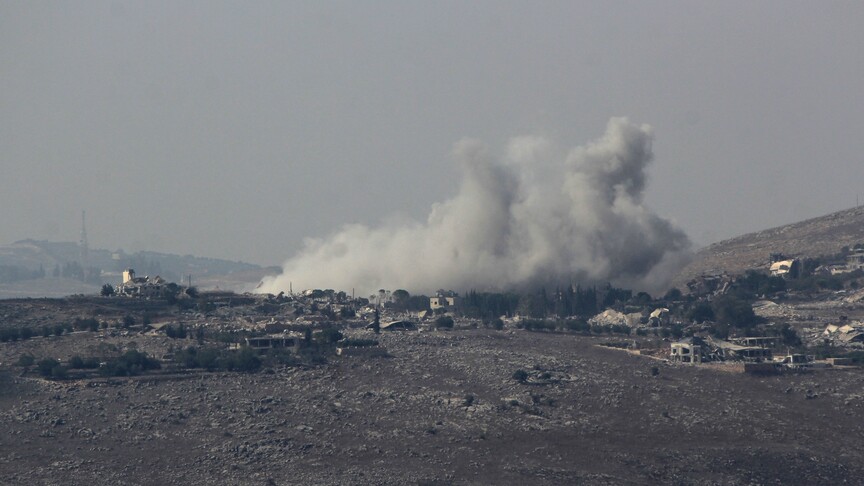
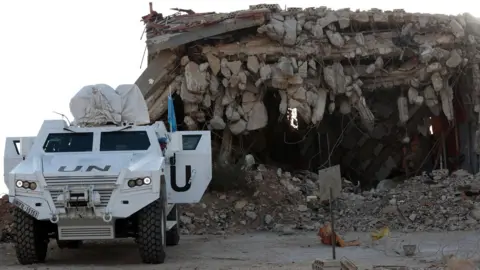
The UN peacekeeping mission in Lebanon says it shot down an Israeli drone that flew over a patrol operating in the south of the country on Sunday, in the latest incident involving the force and Israel's military. Unifil said the drone was flying in an 'aggressive manner' near the border town of Kfar Kila and that peacekeepers applied 'necessary defensive countermeasures'. The Israeli military, however, stated that the drone was conducting 'routine intelligence-gathering activity'. 'An initial inquiry suggests that Unifil forces stationed nearby deliberately fired at the drone and downed it. The drone's activity did not pose a threat to Unifil forces,' spokesman Lt Col Nadav Shoshani posted on X. He noted that Israeli forces later dropped a grenade towards the area where the drone fell. 'It should be emphasised that no fire was directed at Unifil forces. The incident is being further reviewed through military coordination channels,' he added. Unifil reported that the grenade was dropped by another Israeli drone 'close' to a patrol. Moments later, an Israeli tank fired in the vicinity of the peacekeepers. Fortunately, no injury or damage was caused to the Unifil peacekeepers and assets. Despite a ceasefire that came into force last November that ended the war with the Lebanese movement Hezbollah, Israel has continued to fly drones over Lebanon and carry out air strikes on people and targets in Lebanon it claims are linked to the group. The military says it is acting to prevent Hezbollah from regrouping and rearming. The UN and the Lebanese government assert that Israel's actions violate the country's sovereignty and breach the ceasefire deal. Shooting down an Israeli drone is a rare action by Unifil, which has been operating on Lebanon's southern border since 1978 and is set to begin a year-long withdrawal from the country at the end of 2026. The last known instance of similar engagement occurred in October 2024, when a German naval vessel participating in Unifil intercepted and neutralised a drone off Lebanon's coast during the war between Israel and Hezbollah. The latest flare-up comes amid ongoing tension along the Israel-Lebanon border despite a ceasefire reached last year. Under the agreement, Israeli troops were to withdraw from southern Lebanon, while Hezbollah was to relocate its fighters north of the Litani River and dismantle its military infrastructure there - a plan the group and its allies oppose strongly. Only the Lebanese army and Unifil are authorised to deploy armed personnel in the area south of the Litani, but Israel has maintained positions at several strategic border sites and has stepped up air strikes in recent weeks against what it claims are Hezbollah operatives and infrastructure, despite international and domestic pressure. Lebanon faces an intense week of diplomatic activity aimed at reviving the truce and consolidating state authority in the south. A new meeting of the US and French-led ceasefire monitoring mechanism, chaired by its recently appointed head, Gen Joseph Clearfield, and attended by US envoy Morgan Ortagus, is expected to take place alongside visits by Arab League Secretary-General Ahmed Aboul Gheit and Egyptian intelligence chief Hassan Rashad. US envoy Tom Barrack is also due to return to Beirut ahead of the arrival of incoming US Ambassador Michel Issa, who is set to take over the Lebanon portfolio next month.