In brief
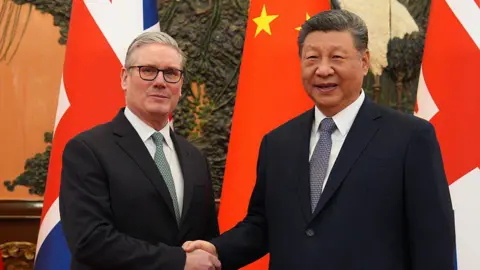
During Sir Keir Starmer's recent visit to China, the UK and China aimed to end years of diplomatic freeze. The discussions led to significant agreements, including trade deals and improved access for British firms. Starmer highlighted sectors like finance and clean energy, while Chinese officials stressed the importance of China as a reliable partner in global trade despite geopolitical tensions.
Sir Keir Starmer's visit to China this week is the clearest sign yet the two countries are seeking to end the diplomatic ice age that has defined their relationship. Both leaders face economic pressures at home and are seeking new opportunities for trade and investment.For Starmer, the first UK prime minister to visit China since Theresa May in 2018, the trip was a chance to highlight the strength of British firms in finance, pharmaceuticals, healthcare, clean energy, and car making. President Xi Jinping, meanwhile, aimed to show that China can be a reliable partner for Western economies, as US President Donald Trump continues to rattle the global trading system.Although no sweeping free trade deal was reached, the visit marked a cautious but tangible reset of UK-China economic ties. Agreements on visas, services, healthcare, green technology, and finance, combined with revived dialogue, might lead to better access for British firms to Chinese markets and greater Chinese investment in the UK.The biggest commercial announcement came from AstraZeneca, which promised to invest $15bn (£11bn) in China over the next four years, to expand research and the manufacturing of medicines. In the energy sector, British firm Octopus Energy is entering the Chinese market for the first time, aiming to improve efficiency in the power system and support China's efforts to use renewable energy. Additionally, China agreed to halve tariffs on Scotch whisky, expected to generate £250m for the British economy.Another outcome was visa-free travel for British citizens visiting China for up to 30 days, marking a significant development in bilateral relations. While the reset provides opportunities for both nations, challenges such as regulatory complexity and transparency in China remain. Starmer's visit signals the balancing act he must perform in pursuing economic growth while navigating delicate geopolitical landscapes.