In brief
In a move that stunned lawmakers, President Trump used executive power to suspend dozens of sanctions imposed on Russia by a bipartisan law he signed last month. The law, named for the late Senator Lindsey Graham, target Russia’s economy and allows tariffs up to 100 % on the top five foreign buyers of Russian oil and gas, notably China and India. Trump’s decision follows his announcement that the United States will import Russian diesel to curb domestic energy prices ahead of the midterm elections, a strategy that has attracted sharp criticism from U.S. allies and Ukrainian President Volodymyr Zelensky. A bipartisan group of 20 congressmen has urged the administration to enforce the sanctions in their full strength. The move raises questions about the impact on the ongoing Russia‑Ukraine conflict and the United States’ energy policy.
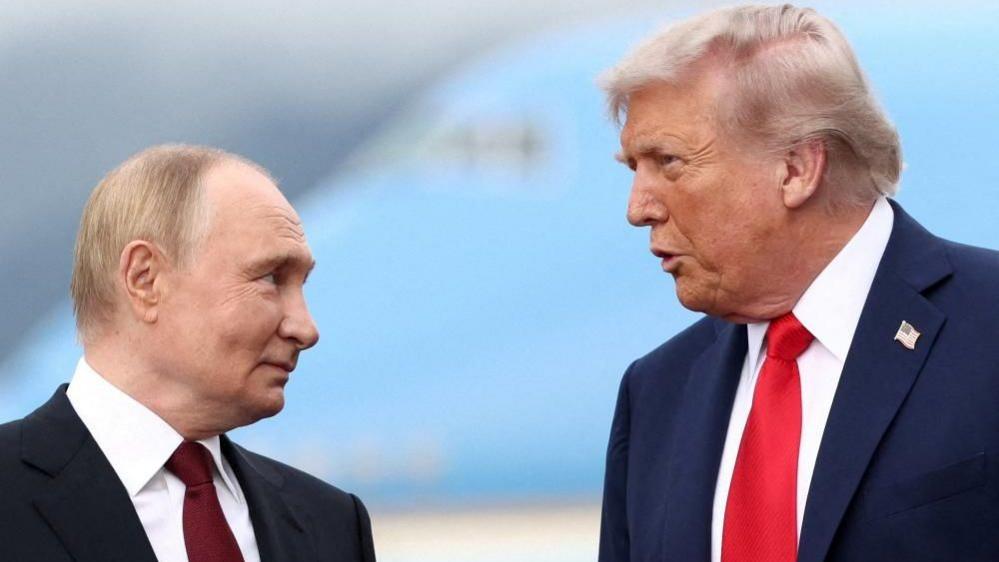
President Donald Trump has halted a range of sanctions imposed on Russia, invoking presidential authority in a surprise executive order delivered Friday night.
The sanctions roundup, which the president signed into law in September, is slated to take effect on Sunday. It targets Russia’s economy by threatening tariffs as high as 100 % on the top five foreign purchasers of Russian oil and gas—most notably China and India. The package also blocks a range of financial maneuvers, including sanctions on President Vladimir Putin, senior government officials, banking entities, and the “shadow fleet” of tankers that help Russia skirt existing restrictions.
Trump justified the pause as being in the United States’ "national interests," following his earlier promise that the country would import Russian diesel to lower energy prices before the midterm elections set for November. The decision has already sparked a bipartisan backlash, including a letter from 20 legislators urging the administration to implement the law in full and without delay. The letter stresses that the sanctions are "decisive" in pressuring Russia toward peace talks.
Ukrainian President Volodymyr Zelensky condemned the deal as a gift to Putin, describing it as "an investment in a war that must be ended." International allies have also voiced concerns that the diesel import could support Russia’s war effort. Though the sanctions law was seen by many as a tool to weaken Russia and support Ukraine, the executive's intervention marks a significant shift in the United States’ approach to the conflict.