WASHINGTON (AP) — In a swift response to the tragic shootings at Brown University and MIT, President Donald Trump has suspended the green card lottery program that permitted the suspect, Claudio Neves Valente, entry into the United States. This decision stems from growing concerns regarding the immigration policies related to individuals involved in violent crimes.
Kristi Noem, Secretary of Homeland Security, announced on X that she is pausing the lottery program under Trump's directive. Noem stated, This heinous individual should never have been allowed in our country, referring to the suspect, a Portuguese national.
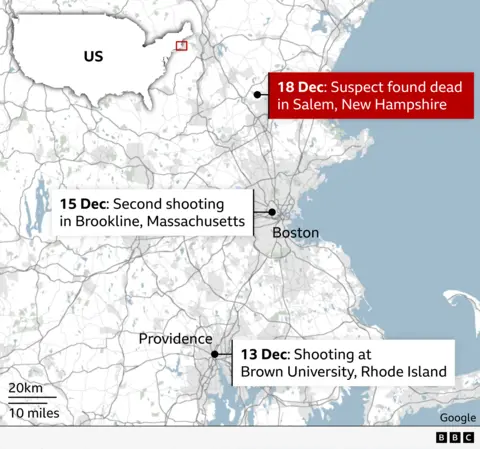
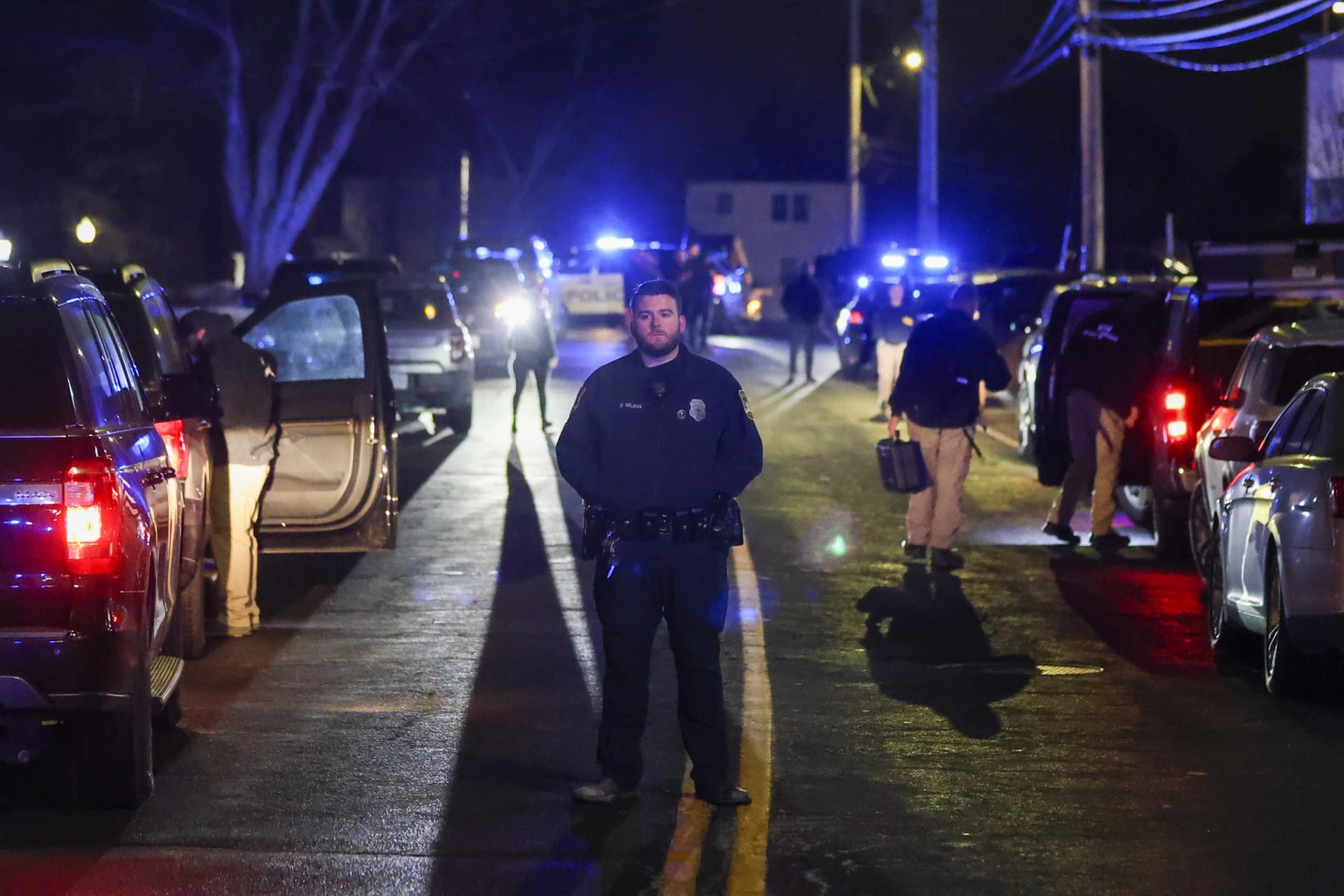
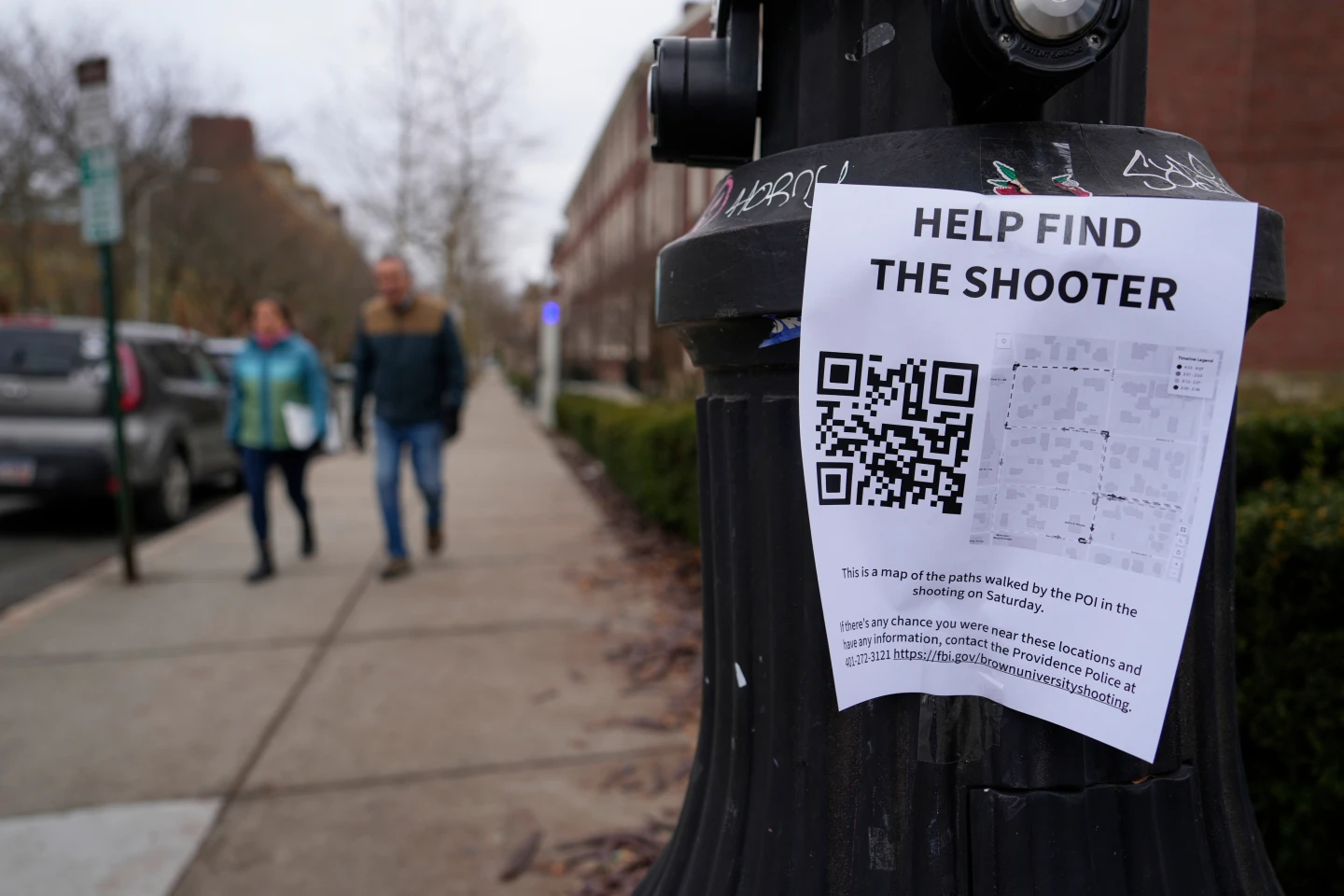
Neves Valente, 48, was identified as the shooter responsible for the deaths of two students at Brown University and the injury of nine others. He was also linked to the killing of an MIT professor before reportedly taking his own life on Thursday.
Having received legal permanent resident status in 2017, Neves Valente's case raises significant points regarding the vetting process under the diversity visa program. Launched by Congress, this lottery provides 50,000 green cards each year to individuals from countries not widely represented in the U.S., often from Africa and the Middle East.
The suspension of this program, however, is not without its consequences. The diversity visa lottery has nearly 20 million applicants for the 2025 fiscal year alone, with around 131,000 selected so far, including family members and spouses. Despite the substantial number of applications, only 38 Portuguese citizens were awarded slots in this lottery.
Additionally, Trump’s stance on the lottery reflects his long-held opposition to such immigration programs. The suspension follows a historical trend of using high-profile tragedies to push for stricter immigration controls. Following an attack by an Afghan individual in November, similar measures were enforced against immigration from Afghanistan.
While Trump’s administration has aggressively pursued mass deportation policies, it continues to seek avenues to limit legal immigration mechanisms, even those enshrined in law such as the diversity visa lottery. Currently, the U.S. Supreme Court is expected to hear a challenge to birthright citizenship, underscoring the administration's broader immigration strategy.