In brief
In a significant move to make medications more affordable, President Donald Trump announced an agreement with nine pharmaceutical companies, including Amgen and Merck, to reduce their Medicaid drug prices. New medications will also follow a 'most-favored-nation' pricing strategy, designed to bring U.S. prices in line with those in other developed nations. This initiative aims to benefit Medicaid patients and uninsured individuals, potentially easing financial burdens in healthcare. Companies are also pledging to donate essential medicines to a national reserve.
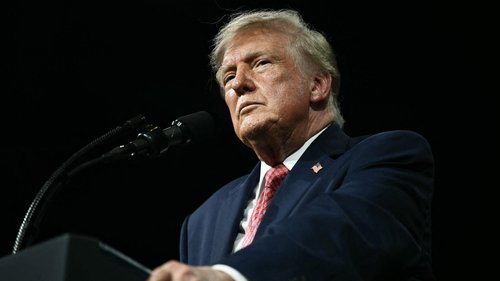
U.S. President Donald Trump announced on Friday that nine major pharmaceutical companies have committed to reduce the cost of prescription drugs in the United States.
The companies involved include Amgen, Bristol Myers Squibb, Boehringer Ingelheim, Genentech, Gilead Sciences, GSK, Merck, Novartis, and Sanofi, all of which agreed to lower Medicaid drug prices to match what they charge in other developed nations.
This agreement will apply a 'most-favored-nation' pricing model to new drugs, ensuring that patients across Medicare, Medicaid, and the commercial market can benefit from lower prices.
Currently, drug costs for patients vary based on factors such as treatment competition and insurance coverage. Many Americans are shielded from high costs through Medicare, Medicaid, or employer-sponsored health insurance. Nonetheless, reducing prices could alleviate strain on state budgets and low-income individuals.
For Medicaid beneficiaries, who typically pay a nominal co-payment for prescriptions, these lower costs could mean relief from increasing healthcare expenses.
William Padula, a health economics professor at USC, noted that Medicaid already has favorable drug rates, but expressed optimism that this initiative may positively impact drug research and development in the future.
“It can’t be bad... it's hard to judge what the upside is,” Padula said, emphasizing the overall beneficial potential of this policy. However, he acknowledged a need for time to assess its effectiveness on national health outcomes.
The Trump administration indicated that the pharmaceutical companies would also provide pharmacy-ready medications via a new platform called TrumpRx, slated for launch in January, facilitating direct purchases from manufacturers.
Bristol Myers Squibb has committed to donating its high-demand blood thinner, Eliquis, to the Medicaid program, which could greatly enhance access to this essential medication in the future.
While this deal marks a significant achievement for affordable healthcare advocacy, the future will determine its true impact on patient access to vital medications.