In brief
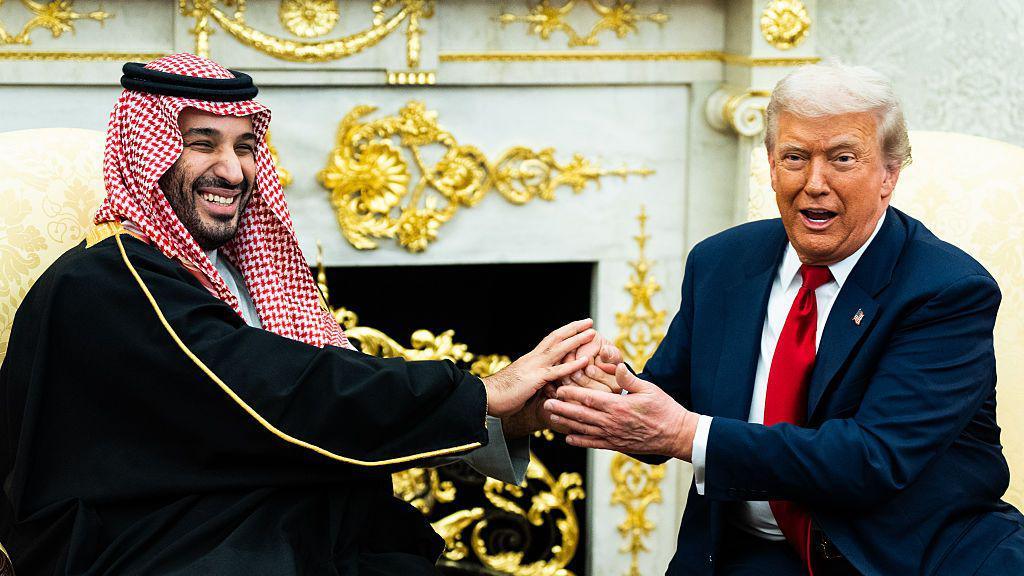
In a stark statement on Truth Social, President Trump declared that any nuclear collaboration between the United States and Saudi Arabia would be contingent on Riyadh formally acknowledging Israel via the Abraham Accords. This condition, which officials say was clarified by White House press secretary Karoline Leavitt, adds new pressure on the Gulf kingdom amid a complex web of regional politics. While the nuclear agreement, aimed at peaceful energy cooperation, is still under review, experts warn it could embolden proliferation risks in an already tense area. The U.S. Department of Energy and the International Atomic Energy Agency have acknowledged the developments and are preparing verification measures. Israel has welcomed the charter but experts caution that any nuclear partnership in Saudi courts could paradoxically ignite new security threats.
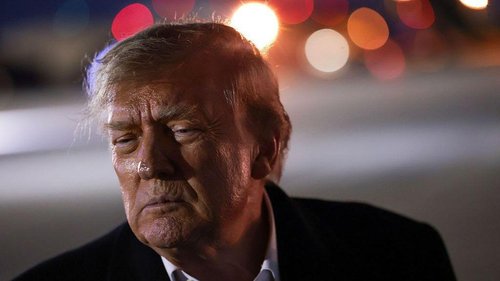
President Donald Trump declared that any civil‑nuclear cooperation with Saudi Arabia would be suspended unless the kingdom formally recognized Israel, referencing the Abraham Accords that normalised ties between Israel and several Arab states. The comments, posted on Truth Social, came after officials confirmed the U.S. stance to the White House press secretary. White House statement
"The Civil Nuclear Deal will be approved, but is totally subject to Saudi Arabia joining the very respected and successful Abraham Accords," Trump said in a terse summary of the conditions. The United States Ambassador to Saudi Arabia indicated that the article had not been formally released, yet the condition appears implicitly embedded in the pending treaty.
White House spokesperson Karoline Leavitt told reporters that the requirement had been a long‑standing discussion point: "He has said if they don't join the Abraham Accords, the deal is off." The comments underscore the political lever the U.S. holds in pushing Saudi Arabia toward wider regional integration.
The nuclear agreement, described by the U.S. Department of Energy as a "peaceful nuclear co‑operation agreement" paired with a "bilateral safeguards agreement," aims at a multi‑billion dollar partnership that would allow American firms to invest in Saudi nuclear infrastructure. The treaty is slated for congressional review and has attracted bipartisan scientific scrutiny over the risk of future proliferation in the unstable Middle East.
The International Atomic Energy Agency (IAEA) issued a statement acknowledging U.S. and Saudi plans for a bilateral civil nuclear agreement and the intention to seek verification measures from the IAEA on the project. The agency’s engagement is aimed at ensuring strict adherence to non‑military use of nuclear materials.
Israel has welcomed Trump’s remarks, with Prime Minister Benjamin Netanyahu’s office describing Saudi accession to the accords as a "historic leap forward for peace in the Middle East." However, critics, including former Israeli defence minister Avigdor Lieberman, warn that any civilian nuclear foothold could eventually lead to a military program. Israeli official Nir Barkat highlighted that Israel can "manage" the situation if Saudi Arabia proceeds with peaceful nuclear power, citing Israel’s unverifiable but widely believed nuclear capability.
The debate recurs to the longstanding U.S.‑Israel contest over Iranian nuclear ambitions. Saudi Arabia’s Crown Prince Mohammed bin Salman, in an interview with CBS News, previously stated that any nuclear weapon development by Iran would prompt Saudi Arabia to act.