In brief
As President Trump heads to Davos for the World Economic Forum, he is set to address housing affordability issues on the anniversary of his inauguration. Critics highlight a disconnect between his rhetoric and actions, emphasizing his focus on billionaires over working-class families. With a poll showing a significant portion of Americans believe he has worsened cost of living, Trump's strategy appears risky as he attempts to link investments from the wealthy to future economic growth.
WASHINGTON (AP) — President Donald Trump is set to deliver a crucial address on Wednesday, aiming to convince Americans of his plans to make housing more affordable. Ironically, he's chosen the opulent Swiss mountain town of Davos, where vacation homes cost around $4.4 million, as the backdrop for his speech.
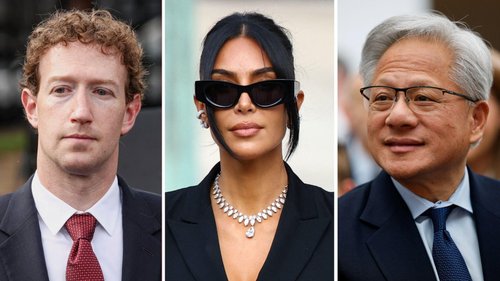
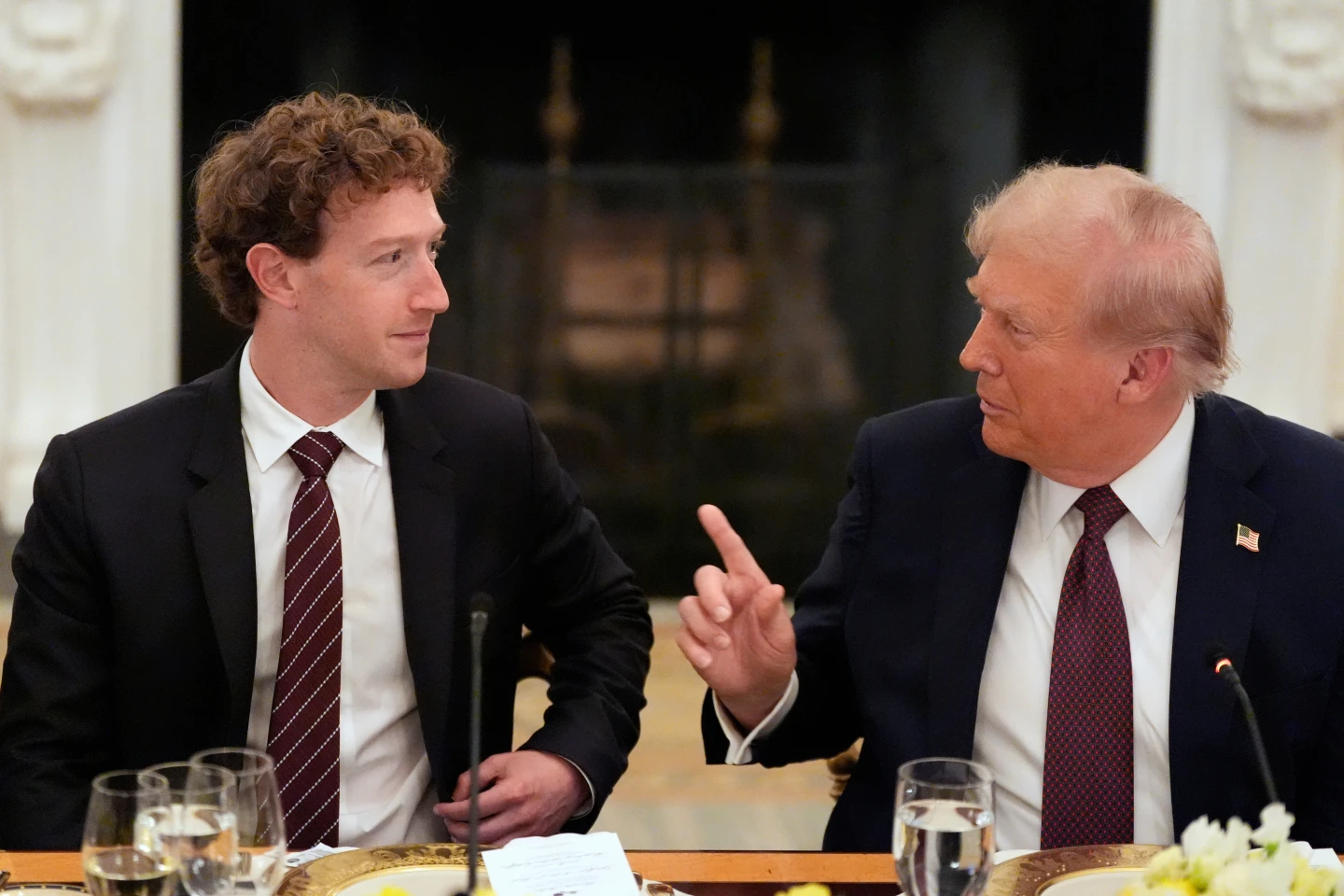
This address coincides with the anniversary of his inauguration and takes place amidst the gathering of the global elite at the World Economic Forum, where Trump is likely to meet several billionaires he has associated with during his time in office.
Although Trump campaigned on lowering costs for everyday Americans and presenting himself as a populist, his actions since taking office have shown a different focus, spending more time with the affluent than addressing his working-class supporters directly.
According to Alex Jacquez, chief of policy and advocacy at Groundwork Collaborative, “At the end of the day, it’s the investors and billionaires at Davos who have his attention, not the families struggling to afford their bills.”
Throughout his first year back in power, Trump has prioritized foreign affairs over pressing domestic economic issues, including the ongoing conflicts in Gaza, Ukraine, and Venezuela. His plans to acquire Greenland have also garnered significant attention, likely overshadowing his housing affordability proposals during the Forum.
The White House has attempted to steer Trump towards focusing on affordability challenges amid signs of faltering support from the electorate, as evidenced by a recent survey showing six in ten U.S. adults believe Trump has negatively impacted the cost of living.
Despite this, Trump hopes to leverage upcoming investments from billionaires and foreign entities to stimulate economic growth, even as his tariffs contribute to inflationary pressures. However, strategists advise that national economic conditions may matter more to voters than Trump’s connections with the wealthy.
With an economic strategy that caters more to the elite, Trump will face significant challenges in convincing the American populace that his policies can deliver tangible benefits for their everyday lives. As his administration moves forward, the majority sentiment among Americans may demand a shift in focus to address the affordability crisis they currently face.