In brief
The Trump administration has announced a ban on importing new Chinese‑manufactured humanoid robots and power inverters, citing unacceptable risks to national security. The FCC added these items to its Covered List, warning that foreign inverters could facilitate cyberattacks and that robots could be commandeered by malicious actors. China’s embassy condemned the ban as politically motivated and vowed to take necessary counter‑measures. The restriction applies only to new foreign‑produced advanced robotic devices, leaving existing models unaffected. This move reflects heightened U.S. scrutiny of Chinese technology amid broader trade tensions.
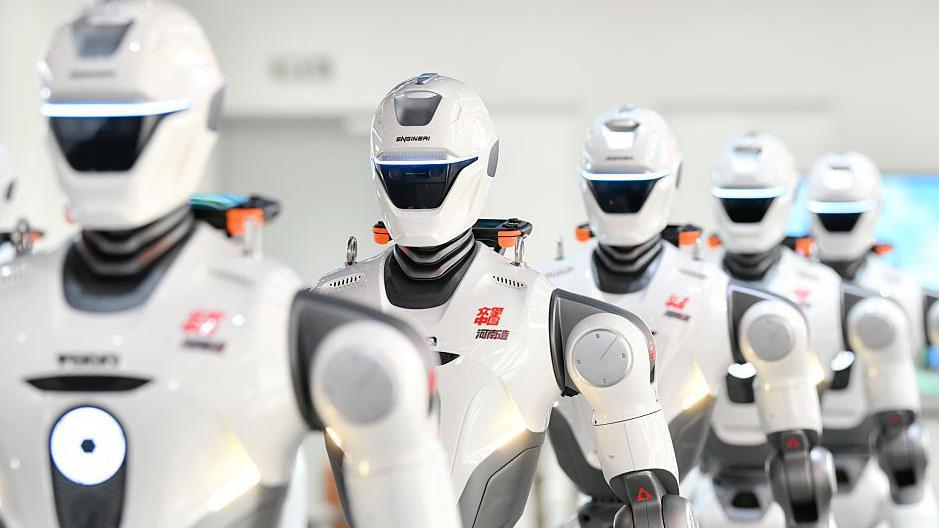
On Tuesday, the Trump administration announced a ban on importing new Chinese‑manufactured humanoid robots into the United States, citing unacceptable risks to national security.
The restriction covers advanced robots, including humanoid and four‑legged machines—many produced in China, the U.S. sees as a direct competitor in the AI race.
Alongside robots, the Federal Communications Commission (FCC) added power inverters—devices used in data centres and solar panels—to its Covered List. The agency says these inverters could allow overseas firms to shut them down, steal data or facilitate remote surveillance by foreign governments.
The Chinese embassy in Washington criticised the move as “politicising” trade, calling the pretexts “groundless” and pledging that Beijing would take all necessary measures in response.
FCC Chair Brendan Carr stated that the agency is working to secure America’s critical supply chains. The ban does not affect existing models that had been previously authorised by the FCC, only new foreign‑produced advanced robotic devices.
The FCC warned that foreign‑made robots could enable malicious actors to surveil Americans, enhance the capabilities of foreign intelligence services, or be commandeered remotely.
In response, the Chinese government urged all countries to develop AI “for the positive and for good” and called on the U.S. to abandon its hegemonic mindset, threatening that any moves that harm its interests will be met with counter‑actions.
This ban follows a long history of U.S. scrutiny over Chinese exports, including high tariffs on electric vehicles and restrictions on cutting‑edge semiconductors, as Washington seeks to maintain its lead in AI and safeguard national security.