A total of 18 people have died as a result of a period of extreme cold weather in New York City, its mayor has said.
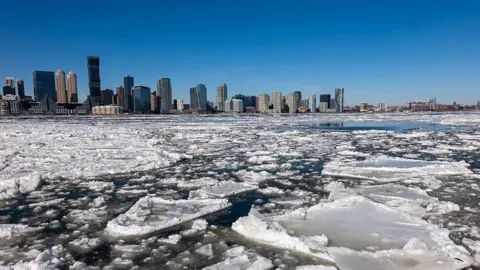
Since late January, the city has endured a cold snap, including 13 days of temperatures of 0°C (32°F) or below – one of the longest stretches of sub-zero weather New York has seen in six decades.
Over the weekend, another person 'lost their life on the streets of our city,' Zohran Mamdani said on Monday, adding that 'each life lost is a tragedy, and we will continue to hold their families in our thoughts'.
While temperatures are set to rise this week, they remain below average, with Mamdani advising residents to 'stay safe, stay indoors... [and] keep looking out for one another'.
The mayor added that since 19 January, when a Code Blue emergency was announced - which relaxed intake policies for homeless shelters - about 1,400 placements had been made into shelters. An additional 64 hotel rooms had been added to the city's shelter capacity, with at least another 150 outreach workers on the streets, said Mamdani.
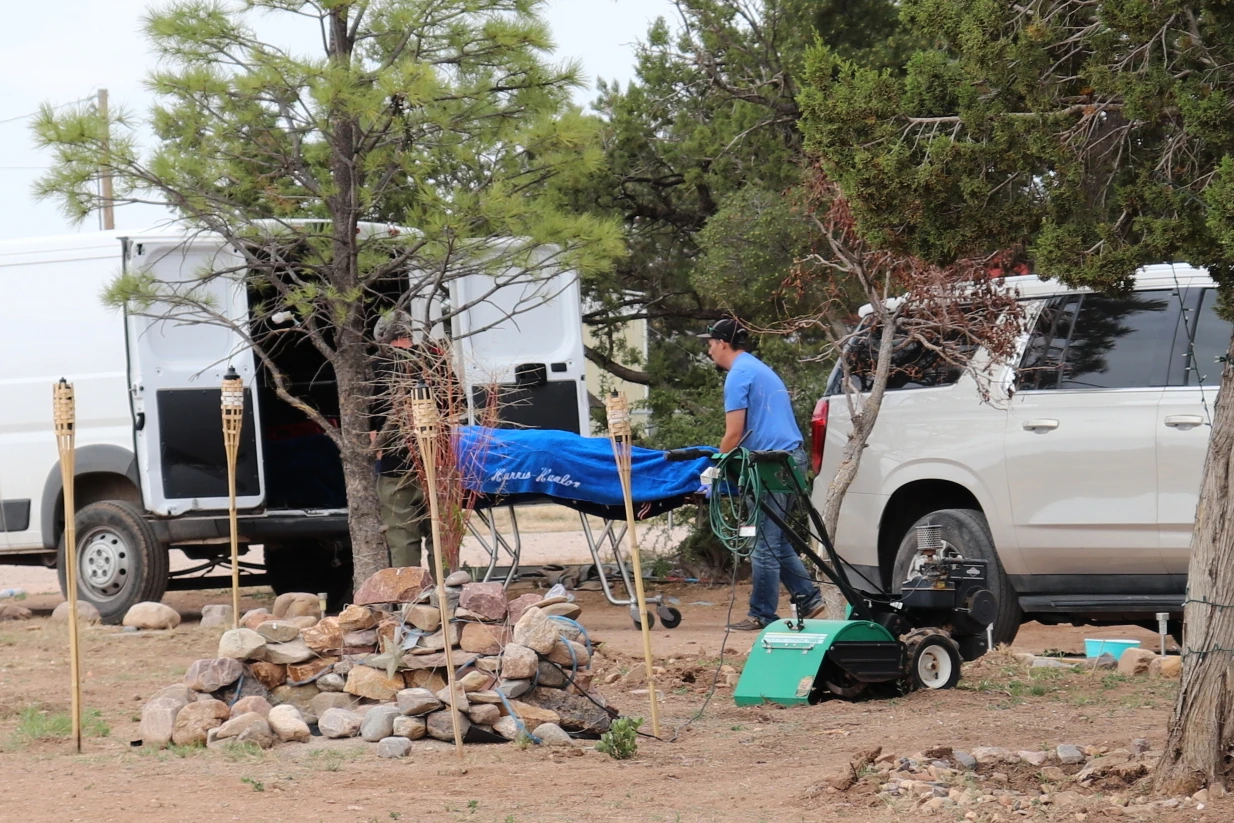
On 27 January, Mamdani reported that at least 10 of the deaths were linked to people found outdoors. The circumstances surrounding the other deaths are currently unknown.
We have been working hard to keep New Yorkers safe, and we will continue to do so. Because it is not forecast to be above 32 degrees [Fahrenheit] until tomorrow, and 35 degrees is hardly balmy weather, he stated.
The US National Weather Service (NWS) indicated temperatures would increase to about 0°C for most of the week, following persistent freezing conditions on Monday. It added that highs were typically around 4°C at this time of year.
An Arctic air mass brought hazardous sub-zero wind chills to the area over the weekend, raising the risk of hypothermia and frostbite.
The NWS noted that New York City experienced a 13-day streak with temperatures at or below 0°C - one of the longest periods since 1963.
NYC's Emergency Management agency urged caution, warning that melting snow and ice could unexpectedly fall from buildings and that streets and pavements might refreeze overnight.