In brief
The legalization and commercialization of cannabis in the U.S. has led to a surge in daily use, with many users, including seniors like Miguel Laboy, grappling with dependence. The rise of high-THC products complicates this issue, blurring the lines between therapeutic use and addiction. Users like Laboy and college students report feelings of isolation, brain fog, and anxiety as they struggle with their dependency on marijuana. Experts highlight the need for better education and understanding of the risks associated with cannabis use.
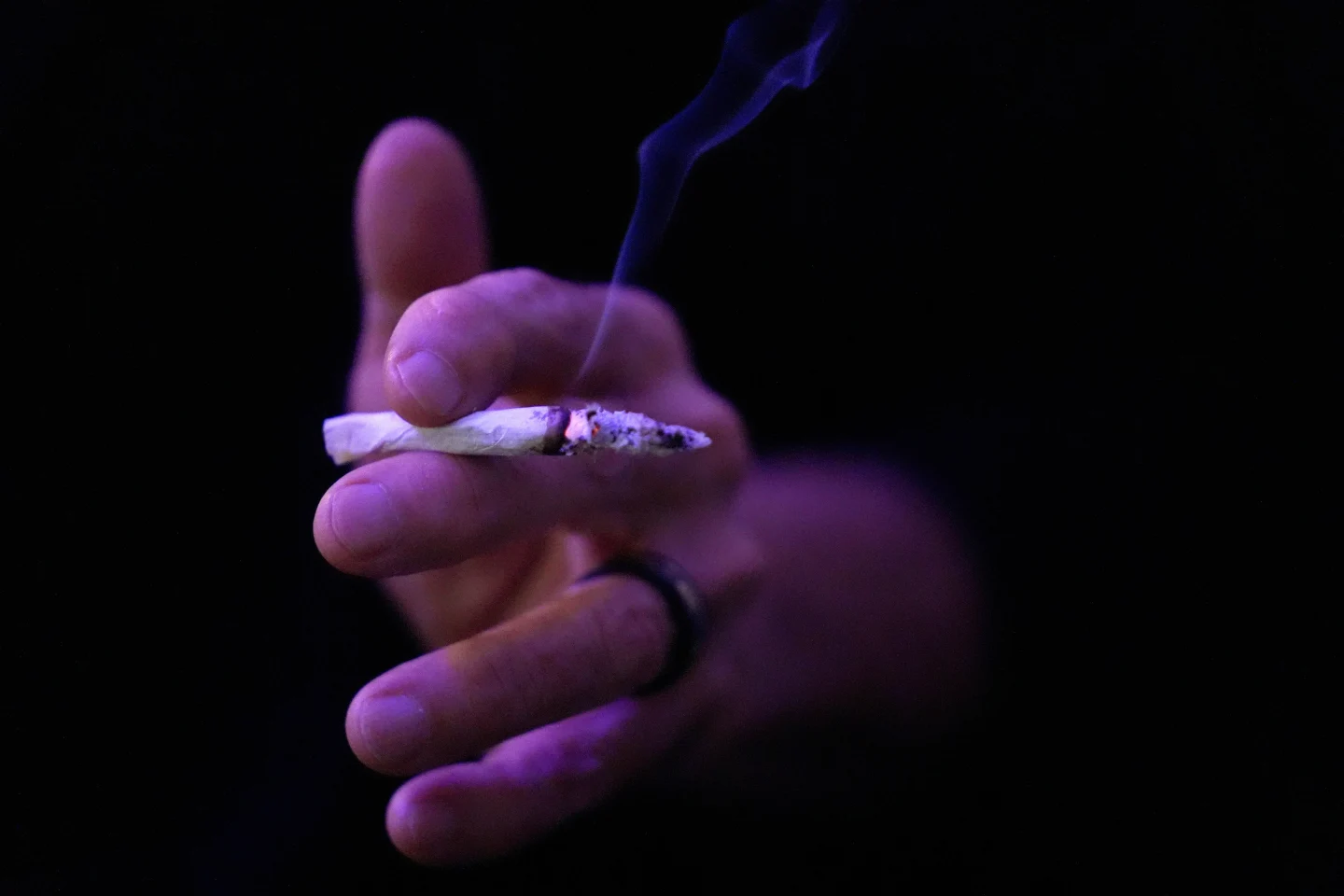
BROOKLINE, Mass. (AP) — For the past several years, 75-year-old Miguel Laboy has smoked a joint with his coffee every morning. He tells himself he won’t start tomorrow the same way, but he usually does.
“You know what bothers me? To have cannabis on my mind the first thing in the morning,” he said, sparking a blunt in his Brookline, Massachusetts, apartment. “I’d like to get up one day and not smoke. But you see how that’s going.”
Since legalization and commercialization, daily cannabis use has become a defining — and often invisible — part of many people’s lives. High-potency vapes and concentrates dominate the market, and doctors say they can blur the line between relief and dependence over time so that users don’t notice the shift. Across the country, many who turned to cannabis for help are finding it harder to put down.
Overall, alcohol remains more widely used than cannabis. But starting in 2022, the number of daily cannabis users in the U.S. exceeded that of daily drinkers — a significant shift in American habits.
Researchers point to the rise of products containing far more THC than the marijuana of past decades, including vape oils and concentrates that can reach 80% to 95% THC. Massachusetts, like most states, has set no limit on the strength of these products.
Doctors warn that daily, high-potency use can cloud memory, disturb sleep, intensify anxiety or depression and trigger addiction in ways earlier generations didn’t encounter. Users often fail to recognize the onset of cannabis use disorder due to a pervasive belief that marijuana isn’t addictive. They miss the gradual shift from therapeutic use to dependency.
How a habit becomes an addiction
Laboy, a retired chef, began seeing a substance-use counselor after telling his doctor he felt depressed, unmotivated, and increasingly isolated as his drinking and cannabis use escalated.
Naltrexone helped him quit alcohol, but he hasn’t found a way to quit marijuana; currently, no FDA-approved medication exists for cannabis addiction, although research is in progress.
Laboy, who first smoked at 18, said marijuana has long soothed symptoms tied to undiagnosed ADHD, childhood trauma, and painful experiences — including cancer treatment and his son’s death. Initially considered a “functional pothead,” he later found his usage became compulsive. After retiring, he began vaping 85% THC cartridges.
These days, he reflects, “I carry two things in my hands: my vape and my cellular — that’s it. I’m not proud of it, but it’s the reality.”
Cannabis eases his anxiety and “settles his spirit,” but he’s noticed it affects his concentration. He hopes to learn to read music, but sustaining focus at the piano has grown difficult. Despite seeing an addiction psychiatrist for months, he has been unable to cut back, feeling ill-equipped for recovery by the medical system.
“They’re not ready yet,” Laboy reported. “I go to them for help, but all they say is, ‘Try to smoke less.’ I already know that — that’s why I’m there.”
Similar sentiments are echoed by college students like Kyle, who grapples with panic attacks and relies on cannabis to calm his anxiety. Yet, he admits, clarity is now harder to achieve once sober.
Community for those who want to leave
Online, that realization unfolds daily in r/leaves, a Reddit community of over 380,000 people trying to cut back or quit cannabis.
Members articulate their struggles, striking a balance between craving calm from cannabis and feeling shackled by their dependency.
As doctors like Dr. Kevin Hill stress, ongoing education on the potential risks and benefits of cannabis is essential for both consumers and healthcare providers. “For most people, the risks outweigh the benefits,” he cautions.