Officials from Thailand and Cambodia will meet next week to discuss the possibility of reviving a ceasefire, Thailand's foreign minister said, as deadly border clashes entered a third week.
Both countries had signed a ceasefire earlier in July, brokered by US President Donald Trump. However, fighting broke out again earlier this month, with both sides blaming each other for the escalation.
On Monday, top officials from both nations met at a summit in Malaysia, marking their first significant face-to-face interaction since the fighting resumed.
Thailand's Foreign Minister, Sihasak Phuangketkeow, noted that the initial agreement was rushed due to pressure from the US to finalize it ahead of Trump's visit.
We were sometimes in a rush because the US wanted it signed by the visit of President Trump, Phuangketkeow remarked, emphasizing the need for a ceasefire agreement that accurately reflects the situation on the ground.
A military officials' meeting is scheduled for December 24, crucial to laying the groundwork for any ceasefire resolution.
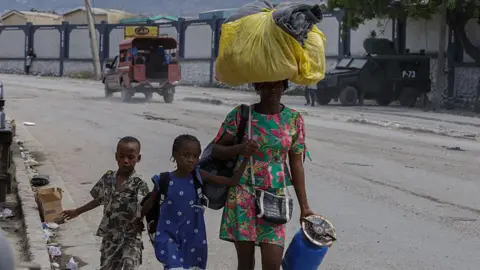
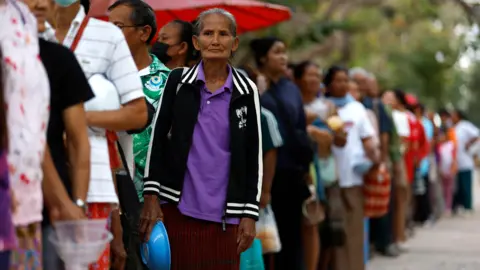
Since the resurgence of antagonism this month, at least 41 people have lost their lives, and nearly one million individuals have been displaced due to the clashes. Both countries have engaged in artillery exchanges and Thailand has conducted air strikes targeting Cambodian positions.
Malaysia's foreign minister called for urgent attention to the matter during the Association of Southeast Asian Nations (ASEAN) meeting, highlighting the broader implications of the ongoing hostilities.
This conflict marks the most severe encounter between ASEAN member states since the group's inception in 1967, further challenging the bloc's credibility in conflict resolution.
Efforts from the US and China to mediate a new ceasefire are underway, with China's envoy for Asian affairs recently visiting Phnom Penh to facilitate dialogue.
The long-standing conflict has historical roots that date back over a century, but recent tensions have intensified significantly, exacerbated by incidents of violence and retaliatory strikes.
In summary, the situation remains precarious as both nations work towards a potential diplomatic resolution amid an ongoing humanitarian crisis.