In brief
A 20‑year‑old student was murdered in Stockholm by an 18‑year‑old hired gun, the first of a string of killings organised by the Foxtrot Network, a criminal syndicate linked to the Iranian regime. The Syndicate recruits vulnerable teens through social‑media ‘gaming’ instructions, offering cash for each hit. Police in 11 European countries, led by Europol’s OTF GRIMM, have made over 280 arrests, including the network’s “Agent 47” and a key facilitator in Syria. Despite recent prosecutions, the network’s leader remains in Iran and the VaaS model spreads across Scandinavia and the UK, raising new security challenges.
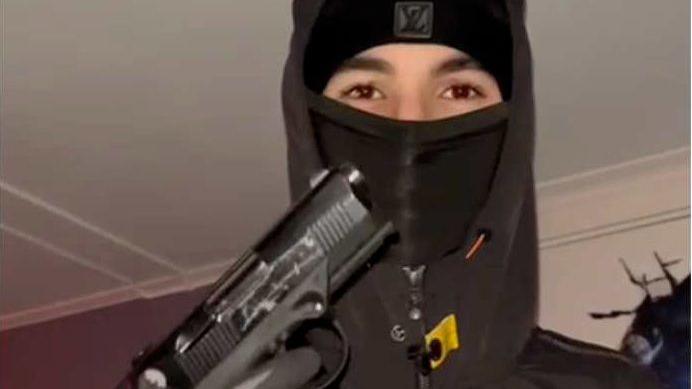
In a snow‑laced Stockholm suburb, a cold‑blooded teenager—aged 18 and armed with a handgun—pursued a 20‑year‑old student returning from a McDonald’s shift. The gunman, now known as Atilla Azimov, opened fire multiple times, crushing his victim’s head and body on the cold pavement.
Azimov’s commission was paid by the Foxtrot Network, a structured crime group that sells murder as a service to those willing to pay, with links to the Iranian regime. The Network’s recruitment tactics involve social-media channels and a gamified interface that encourages teens to accept hit contracts for cash.
The Network’s shadowy leader, Rawa Majid, fled Sweden and is now operating from Tehran. Following his departure, several international law‑enforcement bodies, including Europol’s Operational Task Force GrIMM, seized on a series of murders—about 35 since 2022—across 11 countries and arrested dozens of suspects.
A key case is that of Johannes Natland, an 18‑year‑old Norwegian who travelled to Huddersfield on a forged passport, armed, and was ready for a contract. He was intercepted just before executing the offence, having been guided through every step of the hit by a chain of online pseudonyms: “UnknownHustler,” “Generalen,” and the alleged Agent 47.
The crime‑fighting coalition has already disrupted parts of the Foxtrot Network, arresting 280 suspects in 15 months, including the alleged Agent 47 in Iraq and a former rapper‑turned‑plotter in Tunisia.
Despite these gains, the Foxtrot Network’s structure is resilient, and rival syndicates have adopted the VaaS model, continuing to threaten European security. The crackdown has already shaped policy changes, such as Sweden’s shift away from imprisoning children with serious offences, and intensifies the need for coordinated, cross‑border policing.