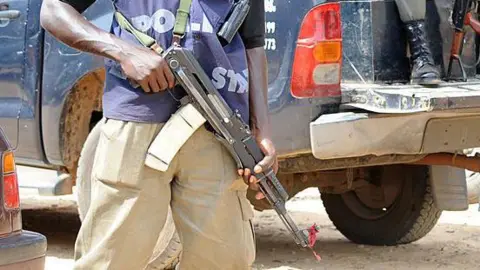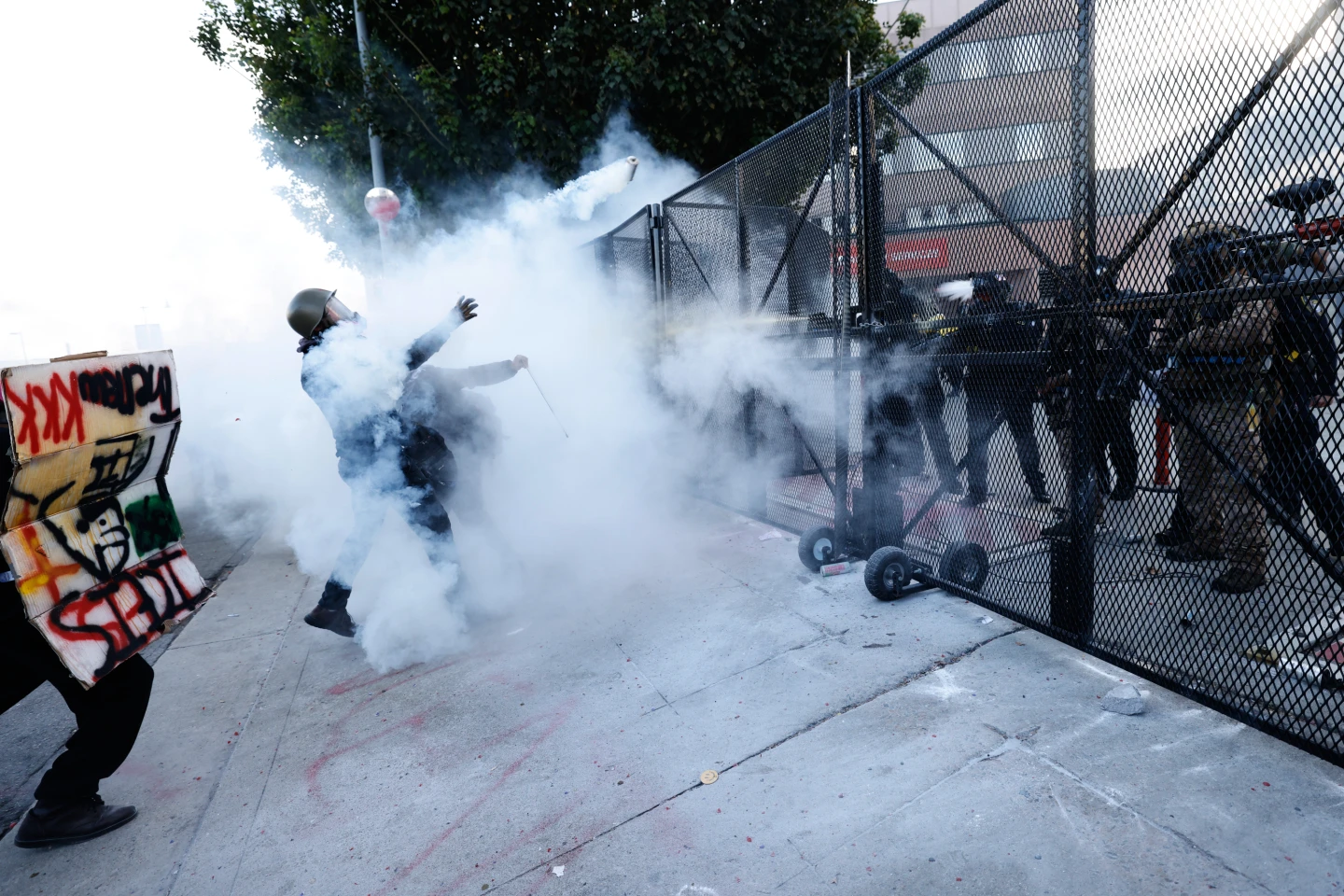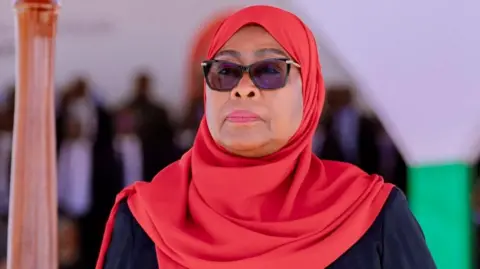
Tanzania remains gripped by the aftermath of its worst post-election violence in decades, a crisis that has shaken its long-standing reputation as a beacon of peace and stability in Africa. It has also earned the country rare rebukes from regional and continental organizations. The death toll is not clear, but families continue to search for or bury relatives killed following the recent disputed poll, that President Samia Suluhu Hassan won with 98% of the vote.
Samia, the soft-spoken leader whose calm and gentle demeanor initially inspired optimism when she assumed power in 2021 after the sudden death in office of her authoritarian predecessor, John Magufuli, now faces a challenging legacy.
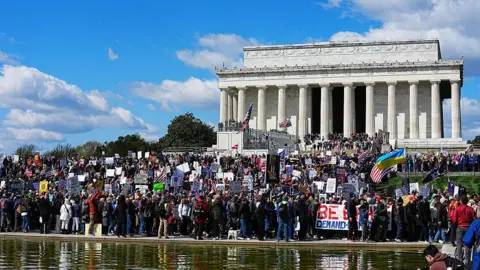
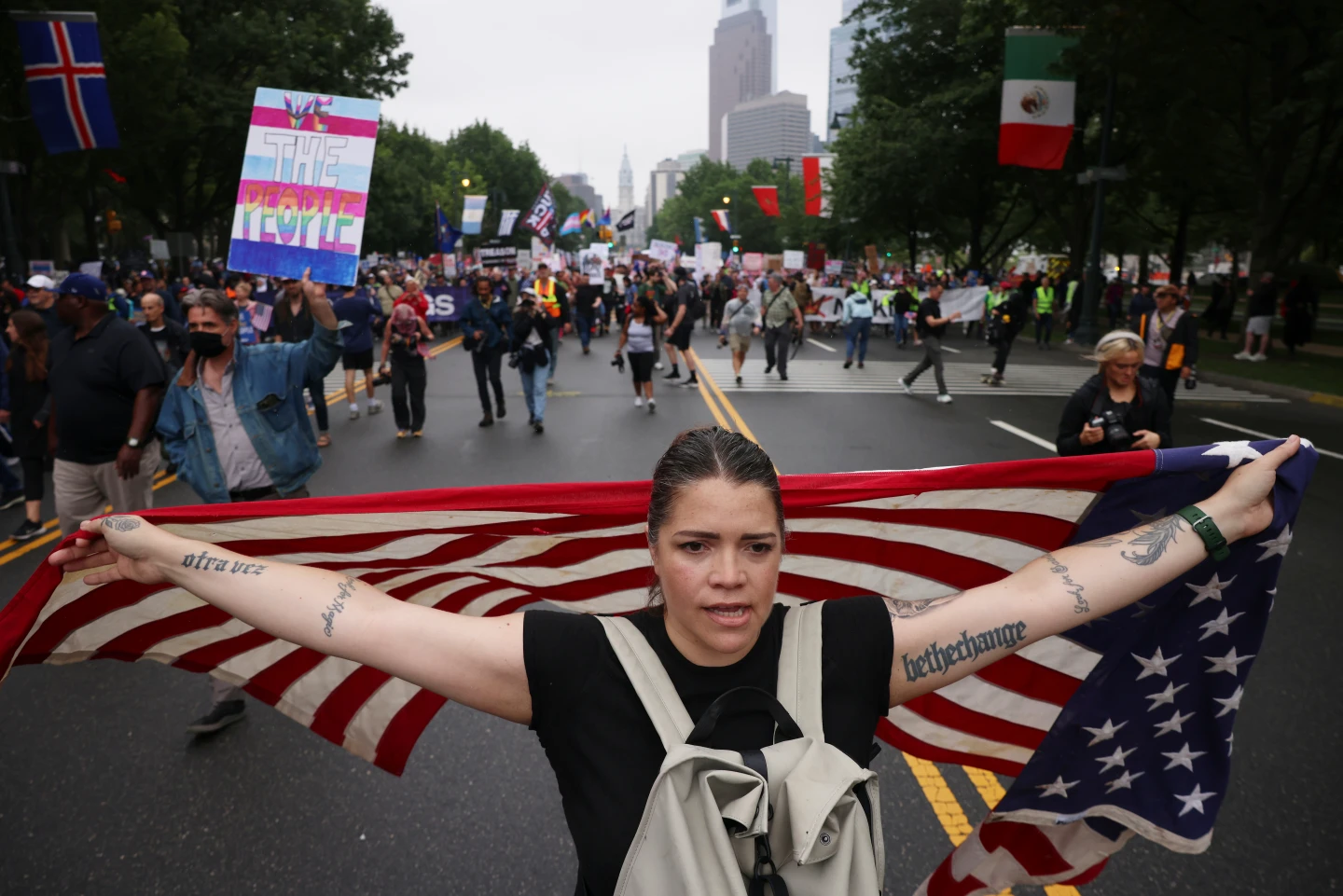
Samia has pushed Tanzania to its thick winter of protests, instability, and uncertainty, remarked Kenyan analyst Prof. Peter Kagwanja. The protests, primarily organized by the youth, drawn stark parallels with global movements against entrenched governance.
While the unrest was unprecedented for Tanzania, it stemmed from a tense political atmosphere rife with stalled reforms and the persecution of opposition leaders. The protests were just a culmination of years of anger and grievances that have been bottled in by Tanzanians, stated political cartoonist Gado, whose work reflects widespread discontent.
The recent election, marked by violence and allegations of manipulation, revealed troubling signs for Tanzania's political landscape, traditionally seen as resistant to protests. With growing scrutiny of her leadership, Samia is now confronted with the challenge of mending the trust with her citizens while navigating international expectations.
As she embarks on her second term, analysts warn that her strategy of power centralization and suppressing dissent could ultimately backfire, undermining her legitimacy as a leader in East Africa.
Samia, the soft-spoken leader whose calm and gentle demeanor initially inspired optimism when she assumed power in 2021 after the sudden death in office of her authoritarian predecessor, John Magufuli, now faces a challenging legacy.
Samia has pushed Tanzania to its thick winter of protests, instability, and uncertainty, remarked Kenyan analyst Prof. Peter Kagwanja. The protests, primarily organized by the youth, drawn stark parallels with global movements against entrenched governance.
While the unrest was unprecedented for Tanzania, it stemmed from a tense political atmosphere rife with stalled reforms and the persecution of opposition leaders. The protests were just a culmination of years of anger and grievances that have been bottled in by Tanzanians, stated political cartoonist Gado, whose work reflects widespread discontent.
The recent election, marked by violence and allegations of manipulation, revealed troubling signs for Tanzania's political landscape, traditionally seen as resistant to protests. With growing scrutiny of her leadership, Samia is now confronted with the challenge of mending the trust with her citizens while navigating international expectations.
As she embarks on her second term, analysts warn that her strategy of power centralization and suppressing dissent could ultimately backfire, undermining her legitimacy as a leader in East Africa.