In brief
An independent investigation into Los Angeles County's response to January's wildfires has identified critical flaws in emergency alert systems and resource allocation. The report, commissioned by county supervisors, emphasizes outdated policies and staffing shortages that hindered effective communication and response efforts, leading to the tragic loss of over 30 lives and significant property damage. The review suggests a pressing need for policy reform and improved emergency preparedness as the county prepares to address these findings in an upcoming meeting.
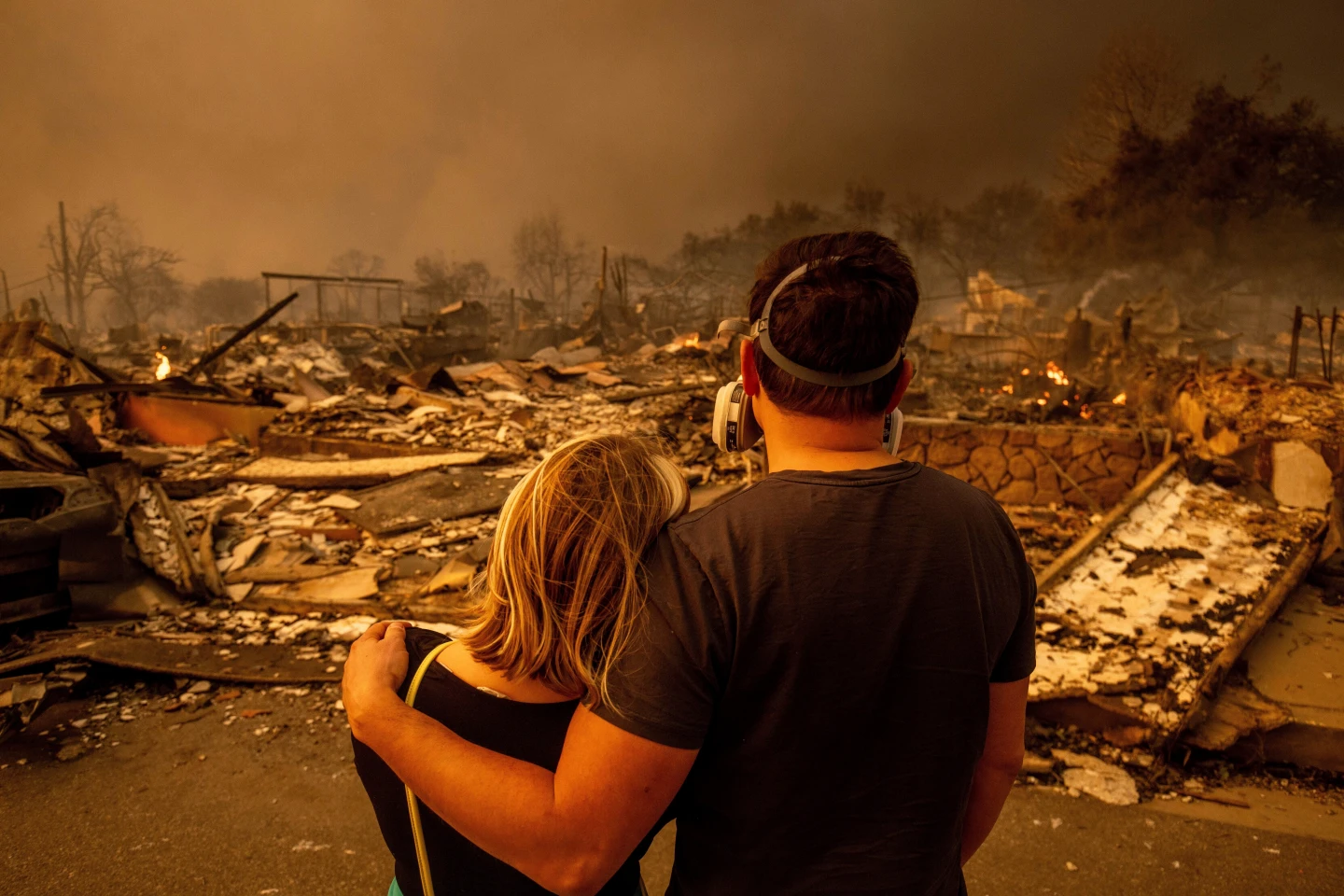
LOS ANGELES (AP) — An outside review of Los Angeles County’s response to January’s deadly wildfires revealed that inadequate resources and outdated policies in sending emergency alerts resulted in serious delays in notifying residents about necessary evacuations as flames engulfed neighborhoods in Altadena and Pacific Palisades.The Independent After-Action Report, produced by the McChrystal Group, was commissioned by county supervisors shortly after the Eaton and Palisades fires resulted in over 30 fatalities and destroyed thousands of homes in heavily populated regions.The report, released Thursday, emphasizes that weaknesses such as 'outdated policies, inconsistent practices, and communications vulnerabilities' adversely impacted the overall effectiveness of the county’s wildfire response. Many residents reported receiving emergency alerts only after their homes had caught fire.Key findings include critical staffing shortages, particularly among sheriff's deputies, and an under-resourced Office of Emergency Management. First responders faced difficulties sharing real-time information due to poor cellular connectivity and differing reporting methods, making coordination challenging.While the report commended the quick actions of frontline responders, it stressed the urgent necessity for clearer policies, enhanced training, integrated tools, and improved public communication. It is not designed to assign blame but aims to provide constructive feedback.The Los Angeles County Board of Supervisors is set to examine the 133-page report at an upcoming meeting. The causes behind these devastating fires are still under investigation, pointing to a broader need for improving emergency response mechanisms as California has faced similar alarming issues during past wildfires.