A year ago, the war that President Bashar al-Assad seemed to have won was turned upside down.
A rebel force had broken out of Idlib, a Syrian province on the border with Turkey, and was storming towards Damascus. It was led by a man known as Abu Mohammed al-Jolani, and his militia group, Hayat Tahrir al-Sham (HTS).
One year later, he is interim president, and Bashar al-Assad is in a gilded exile in Russia.
Syria is still in ruins. In every city and village I have visited this last 10 days, people were living in skeletal buildings gutted by war. But for all the new Syria's problems, it feels much lighter without the crushing, cruel weight of the Assads.
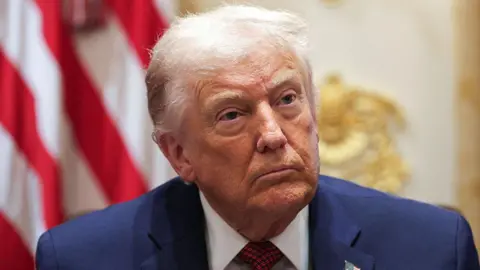
Sharaa has found the going easier abroad than at home. He has won the argument with Saudi Arabia and the West that he is Syria's best chance of a stable future. In May, the Crown Prince of Saudi Arabia arranged a brief meeting between al-Sharaa and US President Donald Trump. Afterward, Trump called him a young attractive tough guy.
At home, Syrians know his weaknesses and the problems Syria faces better than foreigners. Sharaa's writ does not run in the north-east, where the Kurds are in control, or parts of the south where Syrian Druze want a separate state backed by their Israeli allies.
Sharaa has won some support from the West, which has led to the suspension of sanctions against Syria, but the path to real recovery remains fraught. Sectarian tensions simmer as different groups vie for influence, and ongoing violence raises fears of spiraling conflict.
A year after the end of Assad's rule, Syria's new rulers have scored some important achievements. They are still in power, which was not guaranteed when they took Damascus. President Trump has become Sharaa's most important backer. Sanctions are being lifted. The economy is showing signs of life and business deals are being done.
But deals that are in the pipeline have not yet changed the lives of most Syrians. The government has no rebuilding fund. Reconstruction is up to individuals. Sectarian tensions are unresolved and could ignite again. The US-mediated dialogue with Israel has stalled.
The future remains uncertain for many citizens, leaving a palpable fear in areas still recovering from years of violent oppression under the Assads.