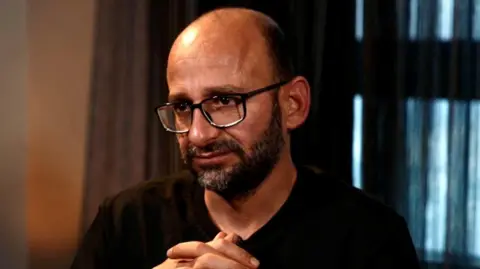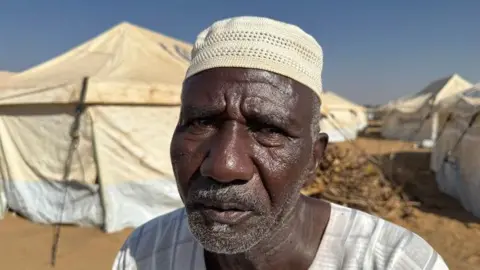
Abdulqadir Abdullah Ali suffered serious nerve damage to his leg during the long siege of the Sudanese city of el-Fasher because he could not get medicine for his diabetes.
The 62-year-old walks with a heavy limp, but when paramilitary fighters from the Rapid Support Forces (RSF) finally captured the city, he felt no pain as he ran.
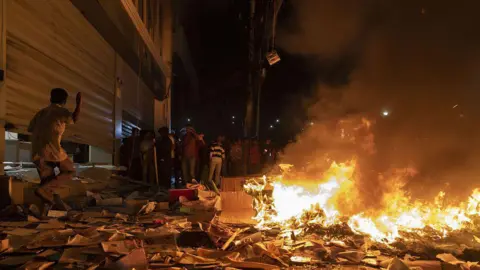
The morning the RSF came there were bullets, many bullets, and explosives going off, he says, describing the overwhelming chaos and fear as people fled in every direction.
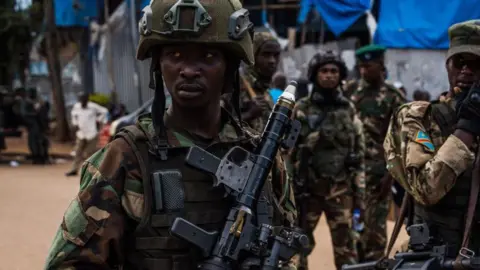
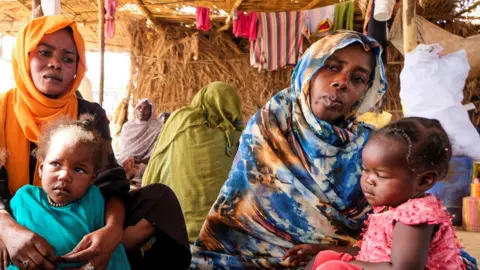
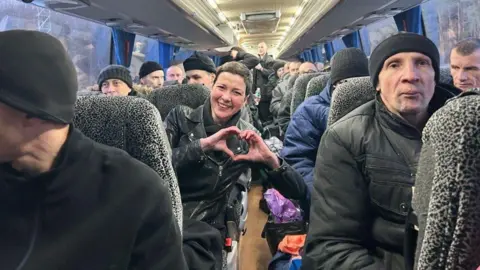
This marked a particularly brutal chapter in Sudan's civil war, as the RSF's takeover of el-Fasher eliminated the army's last foothold in the region. Survivors have now escaped to a tent camp in northern Sudan, recounting their harrowing journeys and the atrocities they witnessed.
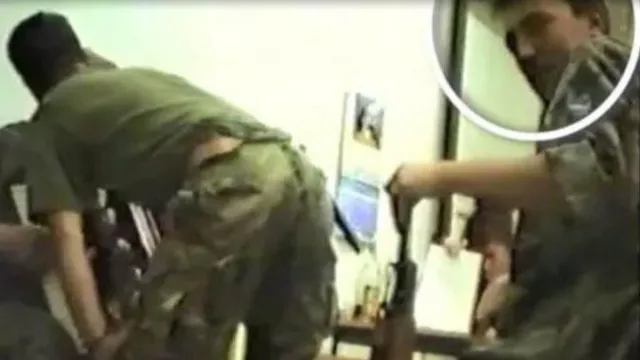
Mr. Ali described chilling scenes as RSF fighters shot civilians and even ran over injured people in their cars. His account mirrors those of many others who have fled, none of whom know what the future holds as international condemnation of the violence grows.
The UNSC is increasingly aware of the situation, as reports surface detailing the mass atrocities committed by armed factions, but civilians like Mr. Ali continue to live in fear while trying to navigate a dangerous landscape for survival.
In the camp, many report brutality and harassment from fighters at checkpoints, where they were forced to surrender their belongings. The RSF has denied these charges, yet survivors' stories paint a harrowing picture of life under siege.
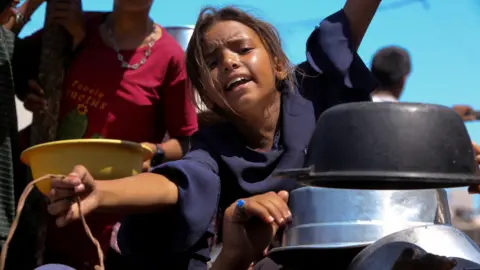
The urgent need for humanitarian aid is exacerbated as the conflict escalates, leaving displaced individuals without basic needs. It's a stark reminder of the human cost of conflict in Sudan, as families fracture and lives are shattered in the wake of violence.