In brief
Rodrigo Duterte was arrested in the Philippines after the International Criminal Court charged him with crimes against humanity related to his controversial anti-drug campaign. Concerns over the ICC’s jurisdiction arise since the Philippines withdrew from the treaty that established the court.
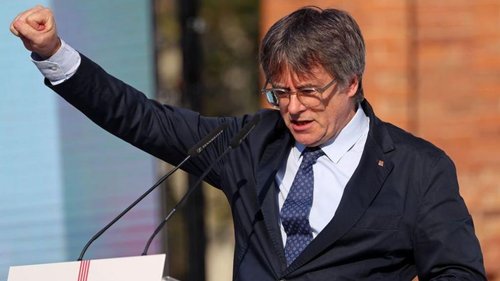
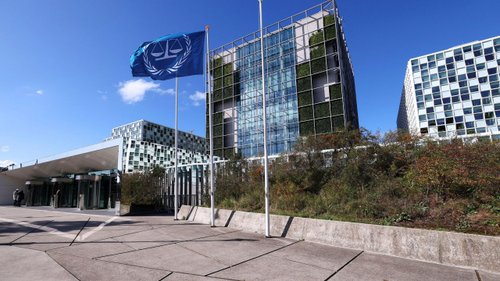
In a significant move, former Philippine President Rodrigo Duterte was arrested on March 11, 2025, based on a warrant issued by the International Criminal Court (I.C.C.). This warrant, which arrived after the court accused Duterte of crimes against humanity, has generated considerable debate about the I.C.C.'s jurisdiction concerning countries that have exited the Rome Statute.Duterte's arrest follows a long history of investigations initiated by the I.C.C. Nonetheless, the context is critical. The prosecutor's office had announced an inquiry into Duterte in 2018 due to allegations linked to his aggressive anti-drug campaign, reportedly resulting in around 30,000 deaths, including minors and individuals without drug-related involvement, according to human rights organizations.Notably, the Philippines ceased to be a signatory to the Rome Statute in 2019, a decision made by Duterte himself as he rejected the legitimacy of the I.C.C.'s actions. Consequently, Duterte and his legal team argue that the warrant holds no legal grounding given the nation's status. However, I.C.C. judges assert that they maintain jurisdiction over acts that occurred while the Philippines was still a member of the treaty, as highlighted in the arrest warrant dated March 7.This situation not only tests the I.C.C.'s authority and enforcement capabilities but also raises pressing questions regarding international legal processes and accountability for human rights violations in a rapidly changing geopolitical landscape.