In brief
Spain's reputation as a rail superpower is under scrutiny after two deadly train accidents in quick succession led to national mourning and questions about safety standards. The train collision in Córdoba has sparked widespread concern among the public, with calls for improved infrastructure and accountability amid rising anxiety over rail travel safety. Investigations are ongoing, with findings suggesting possible pre-existing issues on the tracks. Discontent among train workers has escalated, contributing to calls for strikes and significant political debate about the state of the rail network.
Since the high-speed line was built, 30-something years ago, we never had any problems, it worked perfectly and was fantastic, says Alberto Montavez Montes, a shop-owner opposite Córdoba city hall, where the Spanish and Andalusian flags have been hanging at half-mast.
Now, though things feel different: It's not that there's psychosis, but it does make you just a bit reluctant to get on a train, without a doubt. In just a few tragic days since two high-speed trains collided in this southern region of Spain, with the loss of 45 lives, it has felt that Spain's much-vaunted rail system has been thrown into a sudden, deep crisis.
Second only to China in scale, Spain has 3,900 km (2,400 miles) of high-speed (AVE) rail, and until now its national network has been admired for its efficiency and safety. In 2009, then-US president Barack Obama singled out Spain for praise when he outlined a vision for the creation of a high-speed rail network across America. The line connecting Madrid and Seville is so successful that more people travel between those cities by rail than by car and airplane combined, he said.
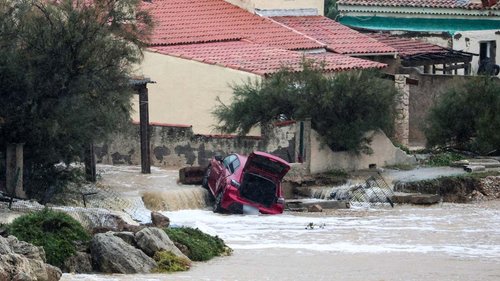
However, this week’s accidents have exposed cracks in the system. Last Sunday, the back three carriages of a train operated by Iryo derailed, colliding with an oncoming Renfe train. Just two days later, a trainee driver was killed when a wall collapsed onto a suburban rail line near Barcelona after heavy rain.
In addition to these tragic incidents, numerous reports of irregularities and delays on local and high-speed trains have surfaced, fueling public anxiety. Train drivers have protested for improved safety guarantees, and a national strike has been called over safety concerns.
The recent tragedies have entered political discourse, with calls for a review of spending and maintenance of rail infrastructure amid claims that the privatization and opening up of rail travel to competition may have strained the system.
The government continues to investigate the accidents, insisting that maintenance has been prioritized and asserting the merits of the high-speed rail network, but public confidence has been shaken as many now question whether the system remains safe. As Spaniards observe a period of mourning, the future reputation of their rail system hangs in the balance.