
In brief
South Korea has officially protested after seven Russian and two Chinese military planes entered its Air Defense Identification Zone (ADIZ). While the aircraft did not violate South Korean airspace, the nation deployed fighter jets in response, underscoring ongoing tensions over airspace sovereignty and regional security.
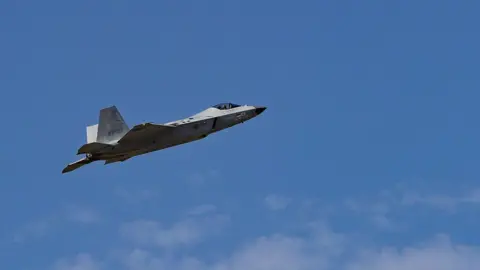
South Korea has lodged a complaint with the Chinese and Russian defense attaches based in the country following an incident where warplanes from both nations entered its air defense zone. On Tuesday, seven Russian and two Chinese military aircraft briefly encroached on this airspace, prompting South Korea to scramble fighter jets as a tactical precaution.
While these incursions did not constitute a violation of South Korean airspace, they highlight ongoing tensions in the region. South Korea's Defense Ministry stated, Our military will actively respond to aircraft activities from neighboring countries in the Kadiz in compliance with international law. The incursions took place near Ulleung Island and Dokdo, territories claimed by South Korea and disputed by Japan and North Korea.
The Chinese and Russian aircraft regrouped in the airspace near Japan's Tsushima Island, with China's military later confirming the joint patrol as part of a cooperative plan designed to maintain peace and stability in the region. Incursions into South Korea's ADIZ have been a recurring issue since 2019, with Russia particularly challenging the legitimacy of South Korea's air defense zone.
The geopolitical landscape continues to evolve as both China and Russia affirm their operational presence in contentious regions, which South Korea views as direct threats to its national security.
