In brief
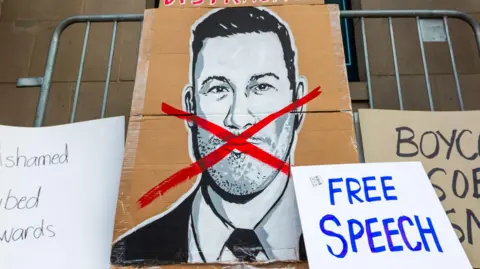
Following Jimmy Kimmel's suspension by ABC after remarks regarding a murder case, fellow late-night hosts like Stephen Colbert and Seth Meyers voiced their support, labeling the move as a threat to free speech. This incident comes on the heels of President Trump's comments threatening media outlets he feels are critical of him, creating a divided response across the political spectrum.
America's late-night TV hosts have rallied behind fellow comedian Jimmy Kimmel after he was suspended by ABC following comments he made about the murder of Charlie Kirk. Stephen Colbert initiated a show segment declaring, 'we are all Jimmy Kimmel', deeming the star's removal a 'blatant assault on freedom of speech'.
"+ "Seth Meyers expressed his honor in being Kimmel's friend, while Jon Stewart and Jimmy Fallon contributed with satirical sketches that seemed to compel them to praise Donald Trump. Their on-air reactions came shortly after President Trump threatened to strip the licenses of networks that he claims have been overwhelmingly negative towards him.
"+ "Opinions surrounding Kimmel's suspension reflect a polarized America. Supporters view it as a dangerous precedent for free speech, while conservative commentators have justified the action, arguing Kimmel's remarks were misleading. Brendan Carr, chairman of the FCC, condemned Kimmel's comments as 'sick' and threatened actions against him for misleading the public.
"+ "This latest episode begins a broader discussion about freedom of expression in media, with some claiming Kimmel's suspension signals a corporate capitulation to political pressures, while others argue it represents a necessary regulation of content on network television.
"+ "The divisive nature of the response emphasizes the heightened tensions between conservative and liberal America, marking yet another chapter in the ongoing struggle over media representation and the limits of free speech.
"