In brief
San Antonio has initiated a free preschool program called Pre-K 4 SA designed to support low-income families. This program, launched in 2013, has recently expanded to include younger children and aims to bridge gaps in kindergarten readiness. While about two-thirds of children are reported as prepared for kindergarten, disparities remain between low-income and wealthier families. The program provides comprehensive support to ensure that children gain essential skills, addressing both educational and social-emotional needs.
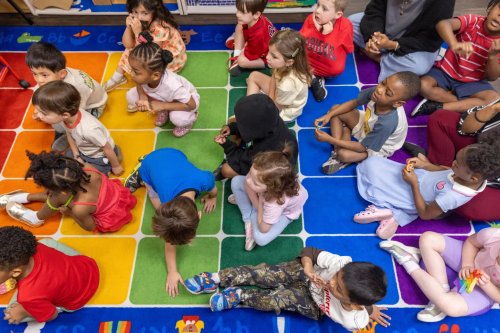
SAN ANTONIO (AP)—Sandra Mosqueda watched with an amused smile as her 2-year-old son, Atreus, began sweeping the floor with a miniature mop.
Atreus is part of the inaugural class of infants and toddlers receiving free preschool in a citywide program in San Antonio, Texas. It’s something his mother doesn’t take for granted. As a child, she herself wasn’t able to start preschool this young. In the case of her two older boys—now in first grade and kindergarten—the free preschool set them up for success in elementary school.
The first five years of a child’s life are among the most critical for their development. Those years lay a foundation and prepare them for kindergarten, often setting them up for success throughout school and beyond. However, disparities persist in whether parents across the country report their children as ready for kindergarten, according to the National Survey for Children’s Health.
While nearly two-thirds of children nationally are reported as on track for kindergarten, there is a significant gap when comparing low-income families to wealthier ones—an estimated 20% difference.
Administered by the U.S. Census Bureau, the federal survey offers insights into kindergarten readiness by collecting annual responses from thousands of parents about their children’s early learning. The most recent data highlight the urgent need for interventions targeted at under-resourced families.
Low-income children frequently lack access to critical childhood experiences that aid in school readiness, which can be addressed by high-quality early learning opportunities. Nevertheless, data shows promising trends, with a slight increase in the percentage of on-track children from families below the poverty line over recent years.
San Antonio's Pre-K 4 SA program exemplifies efforts to improve accessibility to preschool for low-income families. With 2,000 available preschool seats for 3- and 4-year-olds, the program covers 80% of the costs for qualifying families, funded through the city's sales tax. It has shown measurable success, with students outperforming the state average in third-grade assessments.
Sarah Baray, CEO of Pre-K 4 SA, expressed pride in providing equitable quality education. “The quality is so high that even families who could afford to go anywhere try to get into our schools,” she said.
Experts agree on enhancing school readiness through high-quality standards. Pre-K 4 SA adopts a 'whole child' approach focusing on socio-emotional development alongside academics. Children are engaged in nutrition lessons, physical activities, and outdoor play that fosters motor skills development.
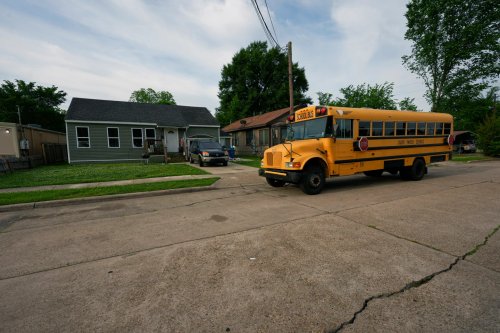
Despite challenges such as a long waitlist for enrollment, the program's implementation of transportation services and supportive family resources aims to strengthen stability within the communities it serves, thereby ensuring every child has a fair chance at success.
Through these comprehensive efforts, parents, like Mosqueda, are empowered to pursue their education and build brighter futures for their families.