In brief
Vladimir Putin's 25-year leadership is scrutinized against the backdrop of a tumultuous era characterized by the war in Ukraine, economic sanctions, and regional instability. Former NATO officials and journalists reflect on the drastic changes in Putin's approach, raising questions about the legacy of Boris Yeltsin's instruction to "take care of Russia."
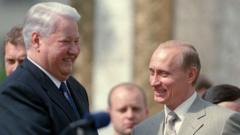
As Vladimir Putin reaches a milestone of 25 years at the helm of Russia, many ponder whether he has truly adhered to the directive given to him by Boris Yeltsin: "Take care of Russia." This inquiry becomes more pressing as the ongoing war in Ukraine and its associated challenges come closer to the three-year mark.Back on December 31, 1999, Boris Yeltsin's sudden resignation shocked the world, coming as a surprise to both Russians and international observers. Under the Russian constitution, then-Prime Minister Putin ascended to the position of acting president, subsequently winning the election just three months later. Yeltsin's transition of power marked not only the end of his presidency but the beginning of Putin's lengthy governance.Putin often portrays himself as the guardian of Russian sovereignty, claiming his predecessor neglected this vital responsibility. However, his military actions have wrought heavy consequences, particularly for Ukraine, which faces rampant devastation, numerous casualties, and significant territorial loss. Conversely, Russia experiences its own hardships: battlefield losses, drone attacks, and mounting economic pressures from international sanctions paint a grim picture for the nation. The demographic crisis and escalating internal repression further complicate Putin's leadership narrative, making many wonder about the future direction of the country. Observers of Putin's transformation since his rise to power note significant shifts in his demeanor and policies—indeed, the man who once advocated for Ukraine's sovereignty is now dismissing its status as an independent state.Reflecting on past experiences, former NATO chief Lord Robertson observed, "The Putin I met in 2002 is very different from the leader we see today." Emerging from a mindset of assertive ambition likely fueled by Russia's post-Cold War insecurities has resulted in alarming confrontations with both neighboring countries and the West.Despite the challenges, Putin asserted during a recent press conference that he believes he has fulfilled Yeltsin's instruction. When confronted with the ramifications of the Ukraine war and domestic issues, he responded affirmatively, claiming, "Yes, I've taken care of it... we’ve pulled back from the edge of the abyss."This confident proclamation raises questions about Putin's perception of his leadership role and the reality of his government's impact on Russia's present and future. Are these claims genuine beliefs or justifications for the current geopolitical climate? The answer could shape not only the outcome of the Ukraine conflict but also the trajectory of Russia itself moving forward.