In brief
The severe wildfires in South Korea have burned over 35,000 hectares, resulting in 27 fatalities and displacing many, highlighting vulnerability as climate and environmental conditions worsen.
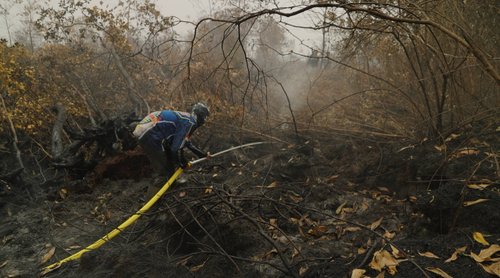
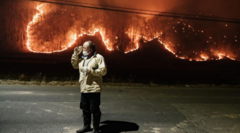
The wildfires raging in South Korea represent the most catastrophic in the nation's history, fueled by a perilous combination of strong winds, dry land, and an abundance of pine trees. As of Thursday, the flames have scorched approximately 35,810 hectares (nearly 88,500 acres), an area nearly half the size of New York City, leading to the tragic deaths of 27 individuals and the displacement of thousands more.Experts indicate that while most of the fires began accidentally from human activities, the effective culprits driving their severity are the prevailing dry conditions and powerful gusts that have been sweeping through the inland areas. Particularly in North Gyeongsang province, where the fires are rampant, the prevalence of pine forests acts like "oil," exacerbating the blaze's intensity and speed, according to Lee Byung-doo from the National Institute of Forest Science.The region is recognized for its serene pine forests, which, although beneficial for local wildlife, pose significant challenges during wildfires. These trees harbor resin that accelerates fire spread, making the forests especially vulnerable. The presence of dense tree cover and warmer-than-usual temperatures, which have exceeded 20°C (68°F) this spring, has culminated in optimal conditions for these fires—a situation exacerbated by climate change. Experts suggest that the current climate crisis has contributed greatly to the rapid land drying out, facilitating the swift spread of the wildfires. The recent surge in temperatures, attributed to global warming, has made these events considerably more likely. Firefighting efforts have also been impeded by the extreme conditions, which include a tragic incident in which a 73-year-old pilot lost his life in a helicopter crash.The demographic composition of South Korea further complicates the crisis. With one in five individuals aged 65 or older, evacuation efforts have been particularly difficult. Many victims are among the elderly, highlighting their frailties during such emergencies. In a poignant instance, three residents of an elderly care facility perished when the vehicle used for evacuation was engulfed by flames, illustrating the dire consequences of the situation.The destruction has not only resulted in loss of life but has also obliterated historical landmarks, erasing irreplaceable cultural treasures like the ancient Gounsa temple, which dates back over a millennium. As the government grapples with the aftermath, Acting President Han Duck-soo has expressed concern over the high number of elderly victims and has ordered relief efforts to be concentrated in affected areas to assist those in need of shelter and support. Many residents, caught off guard, have lost everything, and the hope for aid underscores the urgency of recovery.