In brief
A new documentary raises questions about whether The Beatles' success in America was influenced by the national mourning following JFK's assassination. Scholars weigh in on the cultural and historical context of this pivotal moment.
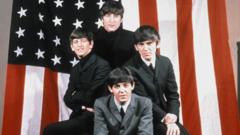
When The Beatles touched down in America on February 7, 1964, just 70 days after President John F. Kennedy's assassination, it marked both a moment of tragedy and, potentially, of transformation for the nation. Paul McCartney mused in the documentary "Beatles '64" that America may have desperately needed the uplifting energy of The Beatles as it grappled with its grief. This notion has sparked debate among Beatles scholars and cultural historians about whether the band's breakthrough was, in part, a response to the turbulent emotions following JFK's assassination.JFK, characterized as the first "TV president," had captivated American youth with his charisma and charm during his brief time in office. His sudden death on November 22, 1963, sent shockwaves throughout the United States, plunging it into a period of deep sorrow. Dr. Patrick Andelic, an assistant professor at Northumbria University, highlighted the parallels between JFK and The Beatles, suggesting that both figures resonated with the youth of their time, as they embodied vitality and hope.Prior to their U.S. arrival, The Beatles had already achieved monumental success in the U.K., with two number one albums and multiple hit singles. Their fame was solidified by a stellar performance on the Royal Variety Show in 1963, which showcased their comedic charm and musical talent. Yet, the transition to the U.S. market remained a daunting challenge. Despite earlier British attempts to penetrate the American music scene falling short, Capitol Records eventually provided a platform for The Beatles after a change of heart regarding the potential for success.The release of "I Want To Hold Your Hand" on December 26, 1963, was crucial, foreshadowing what was to come. By the time of their legendary appearance on "The Ed Sullivan Show" on February 9, 1964, a staggering 70 million viewers tuned in, solidifying their position in the American cultural landscape. Spencer Leigh, a noted Beatles author, emphasized that the explosive popularity of The Beatles was rooted more in their unique appeal than any societal grief stemming from JFK's death. While the aftermath of JFK's assassination may have created an environment ripe for distraction, especially among the youth, some experts believe attributing The Beatles' success solely to this event oversimplifies the complex dynamics at play. Their manager, Brian Epstein, had already orchestrated their U.S. debut well before the tragic event and the hype surrounding the band played a critical role in their meteoric rise.In conclusion, many agree that while the emotional void left by JFK's assassination was palpable, The Beatles' extraordinary talent and strategic marketing propelled them into the hearts of millions. The connections between JFK’s death and The Beatles' rise remain a fascinating area of exploration, but the group’s unique artistry ultimately reshaped the musical landscape of an entire nation. "Beatles '64" reveals these intricate narratives, providing insight into a defining moment in music history.