In brief
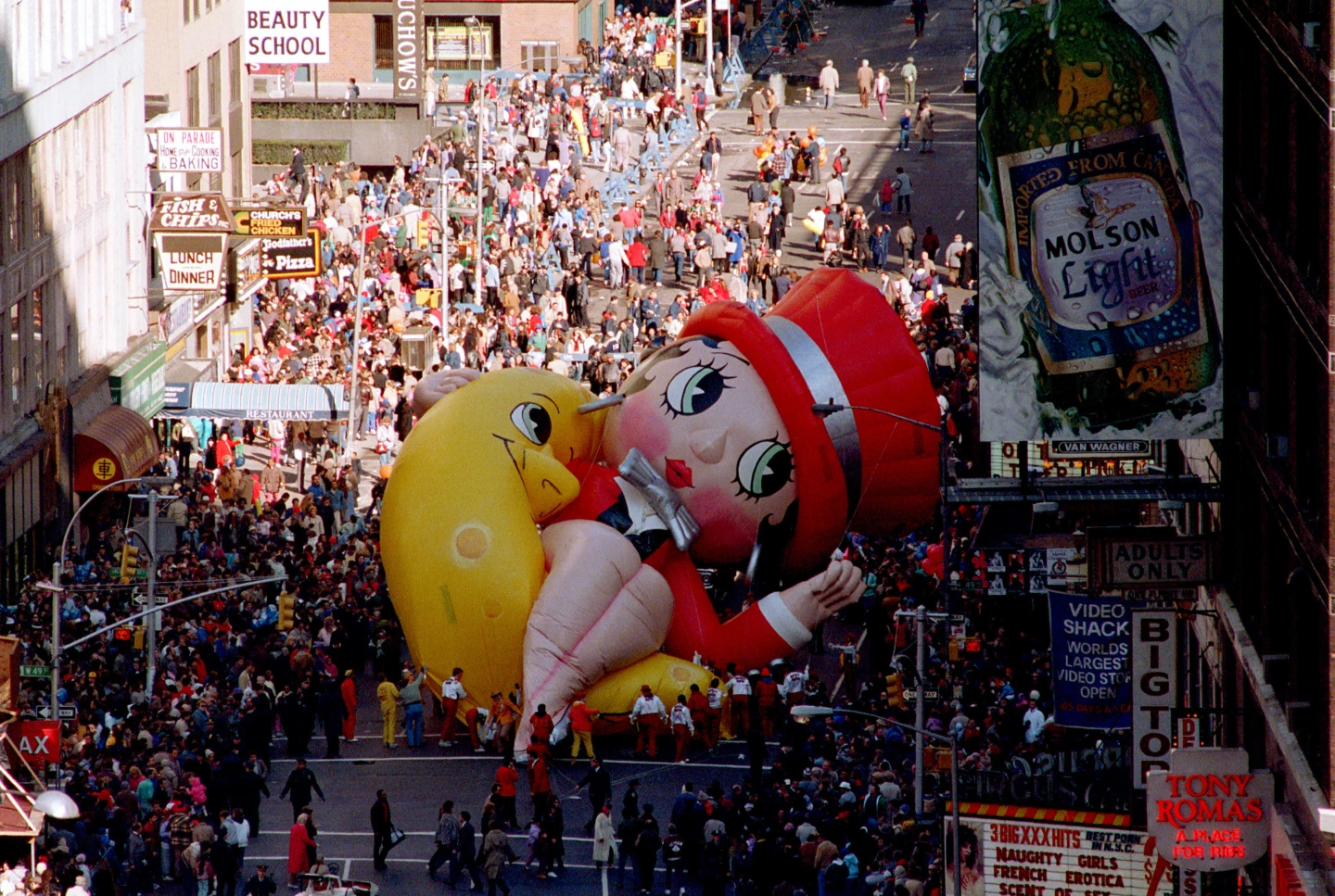
In 2026, classic characters including Betty Boop and 'Blondie' will enter the public domain after reaching the end of their 95-year U.S. copyright term. Creators will be able to use these iconic figures without needing permission or compensation. The upcoming batch of public domain works reflects significant cultural moments and encourages creativity among artists. This year's addition shines a light on familiar cultural expressions, emphasizing the ongoing impact of works from the past.
Betty Boop and Blondie to Join Public Domain
As of January 1, 2026, beloved characters like Betty Boop and “Blondie” are set to enter the public domain, following the expiration of their 95-year U.S. copyright. This milestone allows creators to utilize these iconic figures without seeking permission or paying fees.
Jennifer Jenkins, a law professor and director at Duke’s Center for the Study of the Public Domain, celebrates this moment, stating, “It’s a big year” as these characters represent a significant part of American culture.
The transition to public domain means that artists and creators can now revitalize these characters through innovative adaptations, potentially leading to new stories and artistic explorations.
Cultural Reflection on Past Eras
This year's new entries highlight a range of genres and artistic expressions reflective of the cultural landscape from the 1930s, a time marked by both creativity and economic challenges.
With this new batch, not only is there room for reinterpretation, but there is also an opportunity to delve into the past, exploring how these characters can be woven into contemporary narratives.