In brief
Overnight Russian attacks on Ukraine resulted in 14 civilian fatalities, including in the port of Odesa. Ukraine’s drones struck 20 Russian ships, 17 of them oil tankers, in a counter‑strike on the Black Sea. While military casualties mount, Kyiv is also shuffling its top political leaders, with the Prime Minister and Defence Minister resigning.
Russian forces struck Ukrainian targets overnight, killing 14 civilians across the country, local officials said.
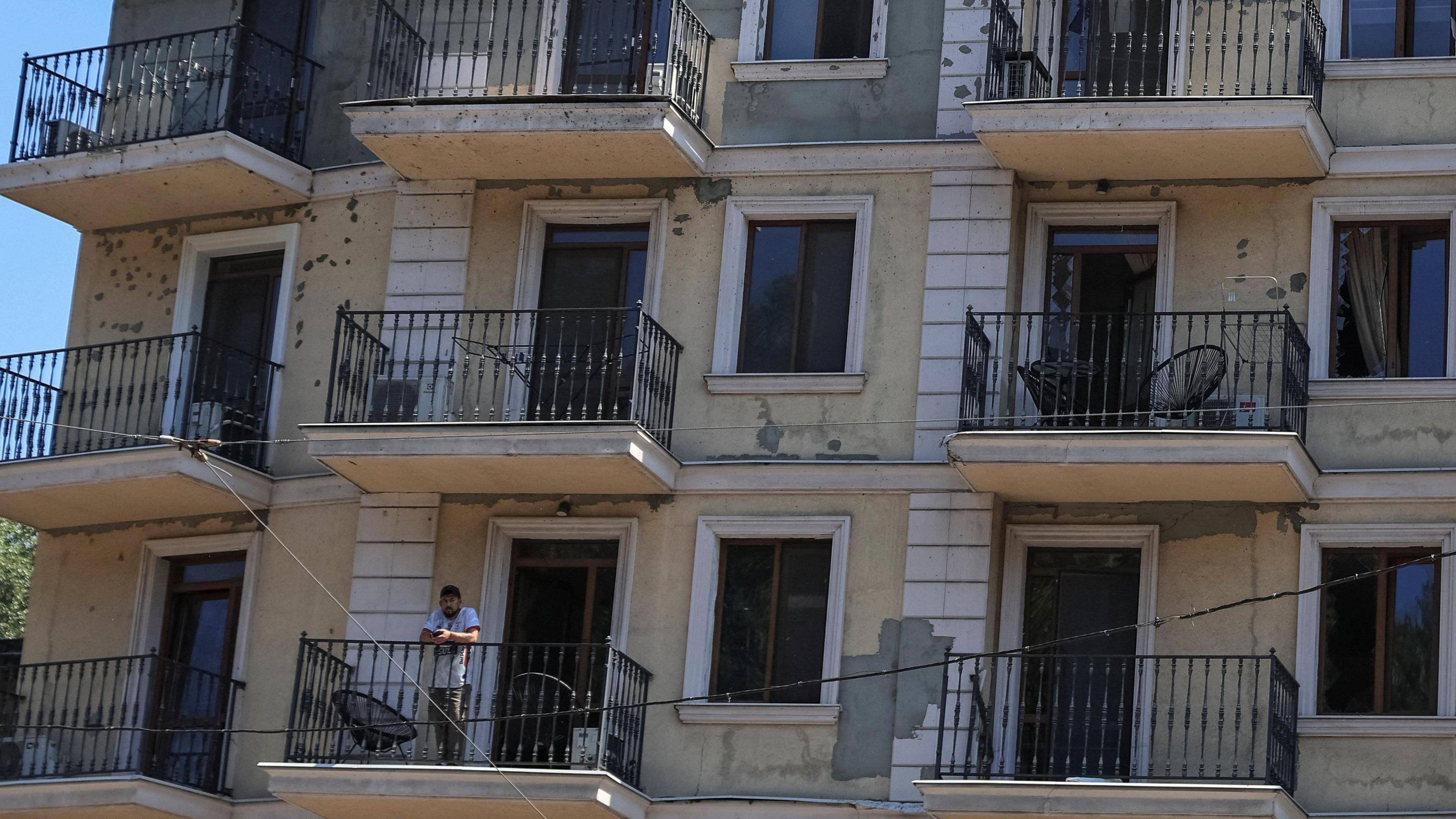
In the Black Sea port of Odesa, a massive drone and missile attack killed three people. The shelling was part of a fifth‑day assault on the region, regional head Oleh Kiper confirmed.
The same day, Ukraine reported that its drones hit 20 Russian vessels, including 17 oil tankers, while operating in the Black Sea.
Elsewhere, Sumy and Zaporizhzhia each suffered three fatalities, with five more casualties reported across other south‑eastern regions.
The United Nations Human Rights Monitoring Mission in Ukraine noted 293 civilians were killed and nearly 2,000 injured in June alone, attributing 45% of deaths to long‑range missile and drone strikes.
Russian officials said their strikes targeted production sites and cargo transport teams, while Ukraine warned that the attacks were aimed at port infrastructure used for the unloading of petroleum, oil and lubricants.
The recent Ukrainian counter‑attacks forced Russia to restrict shipping in the Sea of Azov, a key conduit for about a quarter of its grain exports.
Amid the conflict, Ukraine underwent another major political shuffle. President Volodymyr Zelenskiy dismissed Prime Minister Yulia Svyrydenko after less than a year in the role. Parliament accepted her resignation on Tuesday, and a vote on a successor—most likely Naftogaz head Serhiy Koretskyi—was scheduled for Thursday.
On the same day, Defence Minister Mykhailo Fedorov resigned, confirming his book on social media that he would step down after his service. Interior Minister Ihor Klymenko is seen as a potential replacement.
European Commission President Ursula von der Leyen visited Kyiv on Wednesday to discuss defence cooperation and Ukraine’s EU accession progress.
The full‑scale assault on Ukraine began with Russian President Vladimir Putin’s launch of the invasion in February 2022.