In brief
Russian police fined anti‑war blogger Ilya Remeslo and detained former MP Boris Nadezhdin, both key opponents of President Putin, as Moscow closes off the narrow space left for dissent. Remeslo, once a staunch supporter of the Kremlin, publicly blasted the war in March 2026 and was now held on charges of spreading false information about the military. Nadezhdin, an anti‑war activist who tried to run for president two years ago, was convicted of displaying extremist symbols which bars him from gathering campaign signatures for the nationwide parliamentary election. The two cases demonstrate the Kremlin’s relentless use of criminal law to silence critics, while the loss of a prominent opposition figure, Alexei Navalny, last year has further reduced the domestic opposition voice.
Russian authorities continue to tighten the net on domestic opposition, holding well‑known blogger Ilya Remeslo and preventing former parliamentarian Boris Nadezhdin from running in the September election.
Remeslo, a former supporter of the Kremlin, shocked audiences when he publicly called President Vladimir Putin a "war criminal" and a "thief" in March 2026, urging the leader to resign. In response, officials remanded him for two months on accusations of spreading false information about the military.
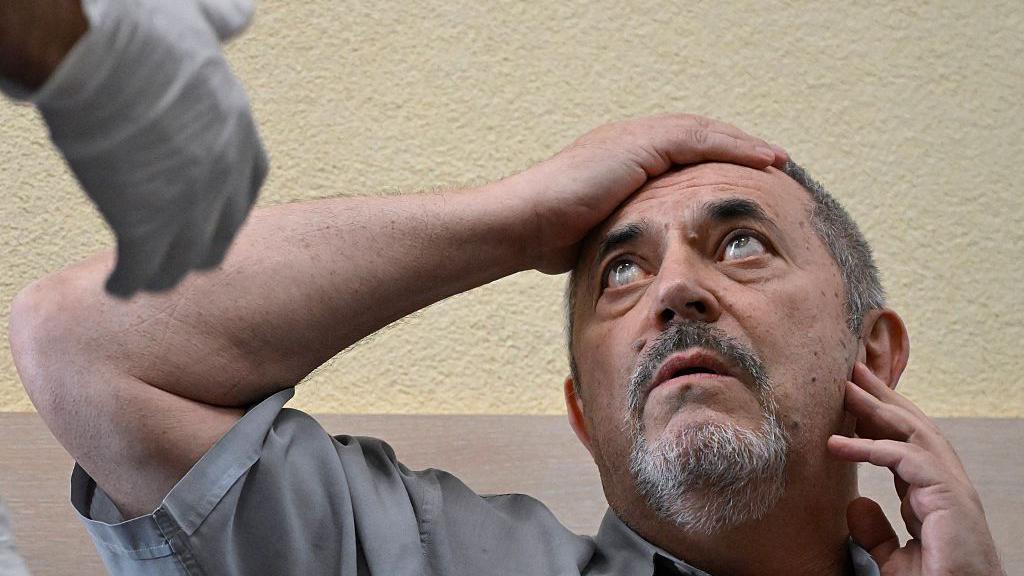
Boris Nadezhdin, 63, is already a well‑known voice of anti‑war sentiment. Two years ago he attempted to run for president on a pacifist platform but was barred because his petition signatures were deemed invalid. Now he is found guilty of "displaying extremist symbols," a conviction that blocks him from collecting signatures for the upcoming parliamentary elections.
The two cases illustrate how Moscow is using criminal charges to suppress dissent. Few genuine opposition politicians remain in Russia, most of whom have gone into exile, and high‑profile figures such as Alexei Navalny died in a penal colony in February 2024. The UK, Sweden, France, Germany and the Netherlands have issued a statement confirming Navalny was "poisoned with a lethal toxin."
Nadezhdin was previously declared a "foreign agent" last week before his detention. Despite this, a legal loophole had allowed him to continue gathering signatures until the new conviction. He has been fined 1,000 roubles (£9.50) but has said he cannot pay because all his accounts have been frozen.
He denied the charges, claiming officials aim to silence him and stop his candidacy for the State Duma. When he appeared in court at his hometown of Dolgoprudny—just north of Moscow—his high blood pressure and diabetes caused him to faint briefly.
Remeslo was taken to Moscow after being detained hours earlier in St. Peterburg. In court, he returned the same message that the situation is "getting worse rapidly for Putin," citing Russia’s energy crisis and tightening internal conflicts. Ukraine’s attacks on oil infrastructure have worsened fuel shortages even in Moscow.
Opinion polls show a decline in Putin’s popularity: the Public Opinion Foundation reports a 66% approval rating, down five points this month, while state‑owned VTsIOM lists 65.1 %. Remeslo warned that a small push could end Putin’s rule.
Joint statement by the UK, Sweden, France, Germany and the Netherlands on Navalny’s death