In brief
In a sweeping move to silence opposition, Moscow courts detained Ilya Remeslo, a former pro‑Putin blogger who turned anti‑war, and convicted Boris Nadezhdin of displaying extremist symbols, barring him from contesting the upcoming parliamentary elections. Remeslo faces a two‑month pre‑trial detention under accusations of spreading false information about the military, while Nadezhdin, already labelled a foreign agent, was fined 1,000 roubles for her extremist display and has her travel blocked. The actions follow the death of opposition leader Alexei Navalny in a penal colony and coincide with declining public approval for President Vladimir Putin amid war‑related hardships and energy shortages.
Russian authorities are tightening their grip on dissent after the recent arrest of former pro‑Putin blogger Ilya Remeslo and the conviction of anti‑war politician Boris Nadezhdin. Remeslo, who until last March praised President Vladimir Putin, published a Telegram post titled “Five reasons why I stopped supporting Vladimir Putin.” The message de‑emed the Kyiv‑supporting administration and called for the president’s resignation.
In response, Moscow courts have detained Remeslo in pre‑trial custody for two months on suspicion of spreading false information about the military. The blogger was transported to Moscow after hours of detention in St. Petersburg. His lawyer said he had been sent to a psychiatric institution for a month following his controversial posts, a claim he says was forced upon him.
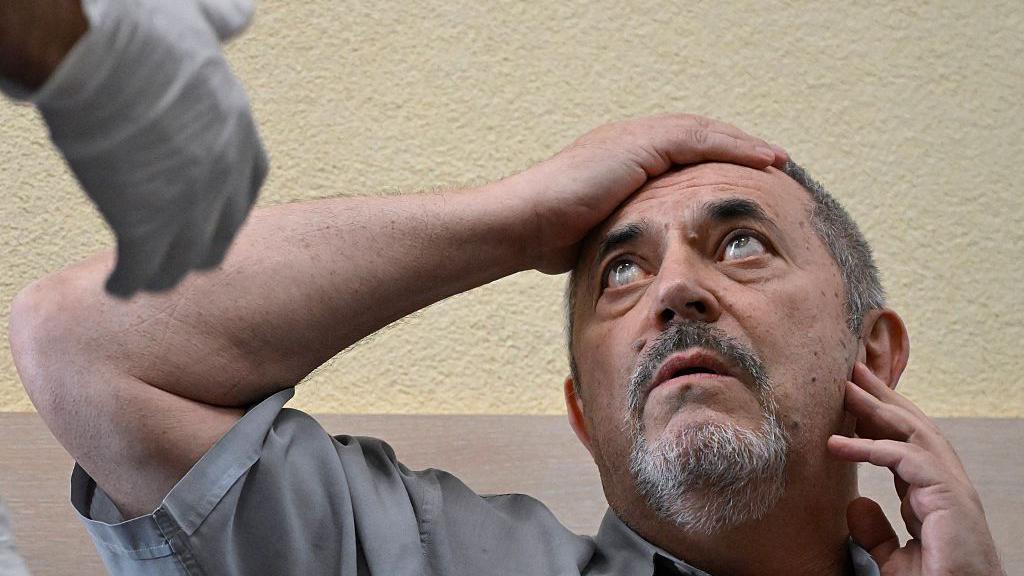
Boris Nadezhdin, once a former Member of Parliament, was convicted of displaying extremist symbols – a charge that once again blocks him from collecting signatures needed to register as a candidate for the upcoming parliamentary elections in September. The ruling also barred him from leaving Russia, effectively silencing a persistent anti‑war voice. He was fined 1,000 roubles (£9.50) and remains able to appeal the decision.
Nadezhdin’s opposition platform dates back to his 2024 bid for the presidency, where he demanded an end to the war in Ukraine. He has been repeatedly dismissed by electoral authorities for allegedly submitting flawed signatures, a tactic that has effectively neutralised many genuine opposition politicians. His case exemplifies the broader clamp‑down following the death of Alexei Navalny in a remote penal colony, an event that was officially ruled a natural death by Russian officials but widely considered a politically motivated assassination.
The crackdown comes amid a period of shrinking public support for President Vladimir Putin. Recent independent polls show his approval rating dropping to 65‑66 per cent, the lowest since the start of the war in Ukraine. Analysts warn that escalating energy shortages, fuel restrictions, and heightened internal conflicts could further undermine the Kremlin’s popularity.
These developments signal a widening marginalisation of dissent in Russia, where former opposition leaders increasingly operate in exile or under permanent surveillance. The case of Remeslo and Nadezhdin illustrates the state’s readiness to suppress any criticism of its military campaigns and underscore the precarious position of those who speak against the war in Ukraine.