In brief
Rawalakot in Pakistan‑administered Kashmir has become a hotspot for violent clashes between protesters and security forces during local elections. A small clinic run by Dr Anwar treats dozens of gunshot victims, most of whom are young activists. The joint opposition group JAAC demands basic rights such as electricity and health services, arguing the government has ignored a pact signed last year. Families captured in the violence describe the terror of losing their children, while authorities claim the protests are caused by a violent extremist group. The region faces food shortages and blocked roads, leaving the future of the protests uncertain.
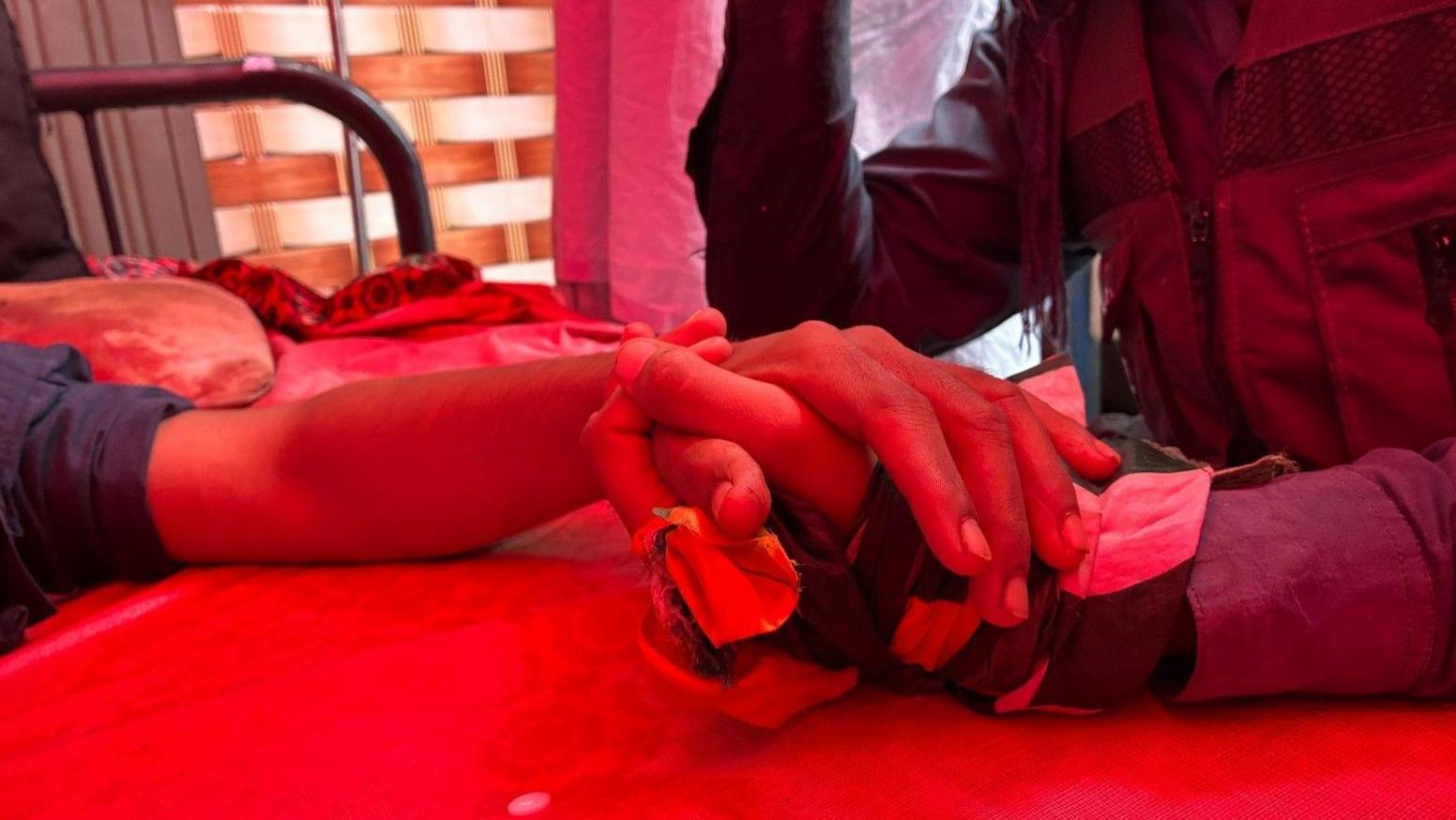
In Rawalakot, a spare bedroom inside a clinic run by Dr Anwar has become an emergency ward for protest casualties. One patient, Shafqat Hussain, lies in a battered bed under a red tarpaulin, his life slipping away after a chest‑shot wound.
Since 27 July, the clinic has treated 50‑60 critically injured protestors, and Dr Anwar reports attending to 15‑20 gunshot victims himself. He can provide first aid and basic wound care, but severe injuries require advanced hospitals that are far from the city.
The Joint Awami Action Committee (JAAC) alleges the protests are about basic rights—electricity, education, healthcare—while the PAK government calls the group’s tactics extremist and denies indiscriminate firing on peaceful demonstrators.
Families that have lost members describe the tragedy poignantly. Mother Asma recalls her only son being shot “while we were only asking for our rights.” Others, like Salman's brother, speak of pride in standing for justice even at the cost of their lives.
Police checkpoints and blocked roads, some attributed to fallen trees buried by the protestors, have curtailed supplies. The region is also suffering food shortages, with locals sharing limited rations amid a blockade.
JAAC member Umar Nazir denies any infiltration, insisting the group has no role in violence, though security officials have arrested paramilitary members and claim the protests are fueled by “foreign‑funded terrorists.”
With elections underway in Pakistan‑administered Kashmir and the atmosphere thick with tension, the status of the protests remains uncertain, leaving the city, its clinic, and its grieving families in a precarious state.