In brief
Vistara, known for its premium services, wraps up operations to be fully integrated into Air India, raising concerns about service standards and brand identity.
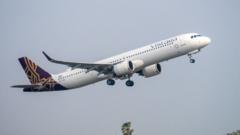
India's luxury airline, Vistara, will operate its final flight on Monday, wrapping up nearly a decade of service as it merges entirely with Air India. This transition is a result of the collaboration between Tata Sons and Singapore Airlines, aimed at creating a larger airline entity with enhanced capabilities. All operations under Vistara will now be directed by Air India, streamlining ticketing, help desks, and customer services. Many passengers with existing Vistara reservations have been gradually migrated to Air India’s comprehensive system.An Air India spokesperson confirmed via email that both airlines' unique dining experiences and service elements have been integrated in preparation for the merger. Despite some anxieties regarding service degradation, representatives from Tata Group reassured that the onboard experience synonymous with Vistara would be preserved.Vistara has garnered a reputation for excellence, especially in food quality and service, prompting industry observers and loyal customers to lament the loss of this recognized brand. Aviation expert Mark Martin suggested that the merger, while intended to stabilize operations and reduce financial losses, may lead Air India to absorb a struggling entity rather than forge a stronger airline against industry competitors.Despite the ongoing turbulence in operations and past performance issues with Air India, both airlines have reported significant reductions in yearly losses, and customer satisfaction metrics have shown some improvement. Nonetheless, operational difficulties have arisen, including pilot shortages and flight cancellations, while Vistara crews have protested against regulatory alignment with Air India's salary frameworks. Viral footage highlighting Air India's service issues underscores the uphill battle the new entity faces.The merger of Vistara leaves a notable gap in the market for a high-end, full-service airline, particularly as Tatas strategize a $400 million revamp of their fleet, introducing new aircraft orders from Airbus and Boeing. However, Martin warns of the complexities that arise from merging distinct airline cultures and service styles, citing the historical challenges faced by similar consolidations.Brand expert Harish Bijoor expressed deep concern over Vistara’s exit, deeming it a critical loss for the Indian aviation sector, given its distinguished service record. Bijoor advocated for a strategically more gradual integration where Air India could rebuild its brand while allowing Vistara to thrive independently, thus enabling Air India to evolve before consuming another established name.Operational integration poses another significant hurdle for the merged companies. Experts anticipate initial consumer confusion as the branding shifts from Vistara to Air India. Clear communication and training will be essential to create a cohesive flying experience for customers approaching the united Air India brand.Despite the immediate hurdles faced by the merger, many observers accept that this strategic alignment between the two airlines provides a more formidable competitor against market leader Indigo. As the merger unfolds, it remains to be seen whether Air India can elevate its standards to meet the expectations set by Vistara, as it moves beyond the integration phase to become an effective player in the aviation landscape.