In brief
The 2024 Atlantic hurricane season saw a record-breaking 18 named storms, including 11 hurricanes and five major hurricanes. The season began exceptionally with Hurricane Beryl, but a lull followed before activity surged again with devastating storms like Helene and Milton, raising questions about the influence of climate change on hurricane intensity.
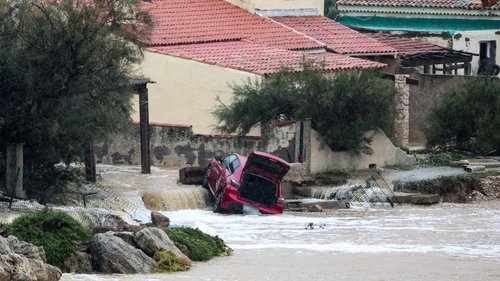
The 2024 Atlantic hurricane season has proven to be one of the most active in recent history, closing with 18 named storms, including 11 that escalated to hurricane status and five classified as major hurricanes (Category 3 and above). In contrast, an average season typically accounts for only 14 storms, seven hurricanes, and three major hurricanes.While some records were established, the storm activity was not consistently high throughout the season, as a notable lull occurred in the middle phase, which is generally the period of peak activity. This unusual pattern included an exceptionally active start with Hurricane Beryl—recorded as the earliest Category 5 hurricane on July 2. Beryl's impact was devastating as it struck the Caribbean, leading to widespread destruction and a number of fatalities in southern Texas and Louisiana.Following Beryl's exit, the tropics quieted considerably, with only four named storms forming until the end of September. Weather patterns, including an anomaly in African thunderstorms and Saharan dust, were credited with stalling storm development despite warm sea surface temperatures that usually encourage hurricane formation.As September closed, Hurricane Helene emerged, quickly intensifying to a Category 4 storm upon landfall in Florida. The aftermath of Helene was catastrophic, reported as the deadliest hurricane to strike the continental U.S. since Hurricane Katrina, claiming over 150 lives. This marked the beginning of a flurry with six additional storms developing in rapid succession. Among them was Hurricane Milton, which exhibited extreme rapid intensification, showcasing wind speeds that increased dramatically before it made landfall, resulting in significant storm surges and tornado outbreaks.The season culminated with Tropical Storm Sara, which although did not achieve hurricane status, caused considerable flooding along the north coast of Honduras due to prolonged heavy rainfall.Heightened sea temperatures—reported to be 1°C above the long-term average—have been attributed to climate change, possibly making the year's intense hurricane activity more severe. Studies indicated that variations in hurricane maxima were partly driven by human-induced warming, subsequently providing a more frightening outlook for future hurricane seasons. Thus, while hurricanes may not increase in frequency overall, the intensity and resultant rainfall are expected to grow, posing greater threats.