In brief
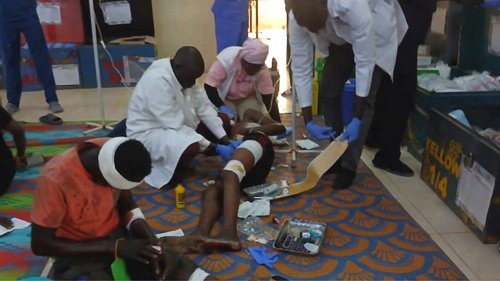
Amidst Ethiopia's multi-ethnic challenges, the civil war has deeply affected healthcare workers and civilians alike. Mehari's experience as a doctor turned medic illustrates the chaos and violence witnessed during this turbulent period.
In the aftermath of a devastating civil war that erupted in late 2020, reports surfaced revealing the profound impact of the conflict on individuals within Ethiopia, particularly in the Tigray region. Mehari, a 25-year-old doctor, shared her harrowing experience of navigating hospital work amidst societal collapse. Public transportation ceased, forcing her to undertake a perilous 40-minute walk home under the threat of a nighttime curfew imposed by federal troops. With each shift, patients streamed into the hospital, victims of violence unknown to her prior, leaving her grappling with the overwhelming conditions of war. She described the disbelief and chaos around her, saying, “I’ve never seen war.”Ethiopia's current turmoil stems from long-standing ethnic tensions and a power struggle exacerbated by the actions of Prime Minister Abiy Ahmed. After assuming office in 2018 with a promise of inclusivity, he dismantled Tigray's political influence following the Tigray People's Liberation Front’s (TPLF) regional election defiance. Their armed conflict sparked a brutal civil war, drawing in Eritrean troops and further entrenching divisions within the nation.Mehari ultimately left her hospital to serve as a medic in the Tigray Defense Forces, a testament to the dire situation engulfing her community. The end of formal conflict in 2022 did not restore peace; instead, many, like her, remain unsettled in a changed landscape where the scars of war run deep. Her story highlights the urgent need for healing and accountability as Ethiopia slowly navigates its fraught path toward recovery.