In brief
The Kentucky bourbon industry, which enjoyed a renaissance post-recession, is now experiencing a significant decline in sales and market stability. Factors such as changing consumer habits, pandemic-related challenges, and tariff-induced trade restrictions are compounding difficulties for distilleries, with some facing bankruptcy.
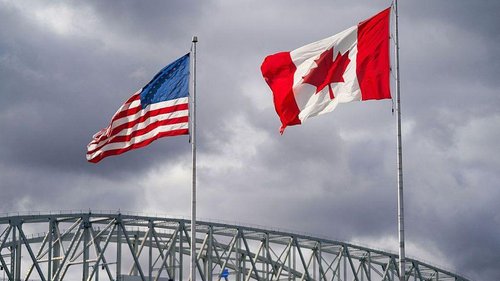
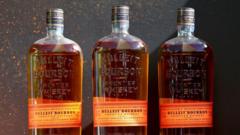
The Kentucky bourbon industry, a cornerstone of American culture, is witnessing a dramatic downturn after a period of significant growth following the last Great Recession. As the nation grapples with economic uncertainty in the wake of the pandemic and ongoing trade tensions, bourbon's sales have plummeted. Reports indicate that Bulleit Bourbon has seen a sales dip exceeding 7% this fiscal year, reflecting wider industry struggles.Bourbon's journey to prominence can be traced back to 1964, when Congress officially recognized it as a "distinctive product of the United States." Though its roots date back to the 18th century, bourbon's popularity soared in the 2010s as the drink experienced a cultural renaissance. An influx of younger drinkers and a growing collectible market spurred by a 2013 Kentucky law allowed producers to trade vintage bottles easily. The nostalgic wave influenced by media like "Mad Men" significantly contributed to bourbon becoming a beverage of choice for many.However, recent years have seen a stark contrast. The pandemic's lockdowns devastated bar and restaurant sales, while inflation prompted consumers to opt for cheaper alternatives. Furthermore, a noticeable shift in drinking culture has emerged; many Generation Z individuals are drinking less than previous generations, leading to a marked slowdown in bourbon sales, dropping just 2% from 2021 to 2024.The advent of tariffs imposed during the Trump administration has further complicated matters. The European Union retaliated by targeting U.S.-made goods, with Kentucky bourbon caught in the crossfire. Although implementation was delayed, this trade war has proven detrimental, particularly as Canadian provinces halted imports of American spirits, which accounted for 10% of Kentucky's whiskey business.As iconic brands like Bulleit and Wild Turkey report significant sales falls—7.3% and 8.1% respectively—the fallout is evident. The bourbon landscape, once flourishing with 86 distilleries and over 10 million barrels aging, has registered casualties in the form of bankruptcies and closures. LMD Holdings and Garrard County Distilling epitomize this distress, as do layoffs at Jack Daniel's barrel-making facility.Experts warn that the current economic pressures might not have fully manifested, with further bankruptcies likely in the near future. The oversupply of bourbon, driven by previous surges in production, has exacerbated the issue, forcing down prices.The challenging climate has prompted shifts in the industry, however, echoing previous downturns in other spirit markets. Just as Scotch evolved during tough times, creating premium aged varieties, local distilleries in Canada are exploring bourbon methods to bolster their offerings amid reduced U.S. imports.The tumultuous current landscape of the Kentucky bourbon industry underscores how fleeting success can be and emphasizes the need for adaptation as the market navigates through these challenging waters.