In brief
This article explores the intricacies of recent geopolitical alliances, the implications of domestic legislation on public health, and the disruptive potential of a tech company's policy change on elections, offering a snapshot of a rapidly changing world.
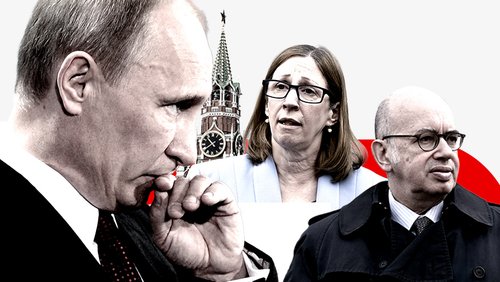
In a dynamic political landscape, key topics from international relations to domestic policies are garnering attention. One major focus is the burgeoning relationship between Chinese President Xi Jinping and Russian President Vladimir Putin, with analysts exploring the implications of their intensified alliance on global geopolitics.In the realm of technology's influence on society, Tesla CEO Elon Musk's claims regarding savings related to renewable energy investments face scrutiny as experts uncover inconsistencies. Meanwhile, the newly appointed Pope's stance on various issues raises questions about the future direction of the Catholic Church and its societal ties.Tensions in South Asia remain high as conflicts between India and Pakistan escalate, prompting mutual strikes that could destabilize the region further. In the United States, the Democratic Party is strategizing a comeback to reclaim the Senate, while legal challenges are mounting against former President Trump, particularly around the funding of L.G.B.T.Q. health research.Meanwhile, the legal landscape shifts as a judge’s recent arrest by the FBI raises questions about judicial integrity, just as Pope Francis's relationship with power is reexamined in the context of his influence on U.S. Catholic conservatism. Finally, consequences from Meta's recent ban on news could disrupt the upcoming Canadian elections, demonstrating the interconnectedness of technology and politics in today's society.