In brief
Reports detail the transition of power in Syria as rebels take over the presidential palace once ruled by Bashar al-Assad, highlighting its opulence and the remnants of a tumultuous regime.
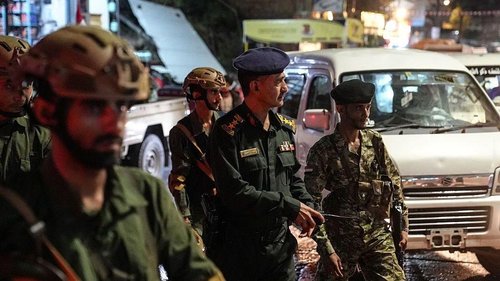
Red carpets and ornate chandeliers greet visitors in the lavish presidential palace of Damascus, now under the watch of armed rebels following the unexpected departure of Bashar al-Assad. This historical residence, a symbol of the dictator’s long reign, retains various extravagant features, including decorative furnishings and modernist sculptures that underscore the wealth spent on both its construction and upkeep.With Assad’s flight from Syria, the rebels established their presence in the palace, ensuring security from looters and curious onlookers. Sleeping on couches in vast reception halls, these fighters now patrol the building, expressing both admiration for its grandeur and a desire to restore the structure, albeit for a more collective purpose than its original intent. A fighter named Abu Oweis, representing the rebel faction, offered insights on the palace while reflecting on its former glory. As reporters from The New York Times were granted access to document their newfound control, it became evident that this shift in power represents not only a physical takeover but also a change in ideology for the Syrian landscape, now moving away from the oppressive rule symbolized by the palace's existence. The rebels' intentions hint at a possible future re-envisioning of the palace that once stood as a monument to Assad’s brutal governance.