A recent analysis from the World Health Organization (WHO) indicates that around seven million cancers could potentially be prevented each year. The report reveals that an estimated 37% of cancers result from preventable factors, including infectious agents, lifestyle choices, and environmental pollutants.
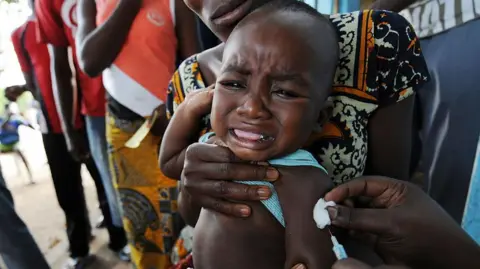
The study outlines that specific cancers, such as those linked to human papillomavirus (HPV) infections and tobacco smoke, could see reduction through vaccinations and decreased smoking rates respectively. Researchers noted a 'powerful opportunity' lies in addressing these avoidable cancer causes.
Despite recognizing that some cancers are inevitable due to genetic risks or cellular aging, Dr. Isabelle Soerjomataram highlighted the significant statistic that 40% of cancers can be prevented. The International Agency for Research on Cancer (IARC) evaluated 30 known risk factors and discovered that smoking, infections, and alcohol were the primary contributors to preventable cancers, leading to over 6 million cases globally.
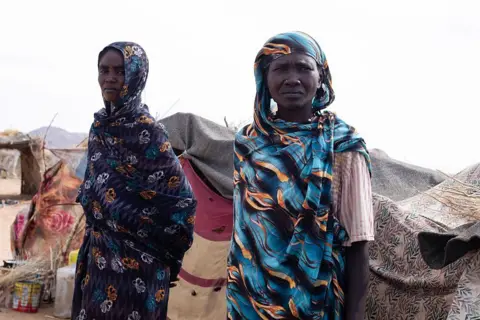
The analysis reveals stark differences in preventability between men and women, with 45% of men's cancers being preventable compared to only 30% in women. Regional variations also present a different cancer risk landscape, notably in areas like sub-Saharan Africa, where infections are a major contributor.
The report, which included data from over 185 countries, emphasizes the necessity for tailored public health measures to address cancer prevention effectively across different populations. This historic evaluation is seen as a crucial step towards reducing the global cancer burden.
The study outlines that specific cancers, such as those linked to human papillomavirus (HPV) infections and tobacco smoke, could see reduction through vaccinations and decreased smoking rates respectively. Researchers noted a 'powerful opportunity' lies in addressing these avoidable cancer causes.
Despite recognizing that some cancers are inevitable due to genetic risks or cellular aging, Dr. Isabelle Soerjomataram highlighted the significant statistic that 40% of cancers can be prevented. The International Agency for Research on Cancer (IARC) evaluated 30 known risk factors and discovered that smoking, infections, and alcohol were the primary contributors to preventable cancers, leading to over 6 million cases globally.
The analysis reveals stark differences in preventability between men and women, with 45% of men's cancers being preventable compared to only 30% in women. Regional variations also present a different cancer risk landscape, notably in areas like sub-Saharan Africa, where infections are a major contributor.
The report, which included data from over 185 countries, emphasizes the necessity for tailored public health measures to address cancer prevention effectively across different populations. This historic evaluation is seen as a crucial step towards reducing the global cancer burden.