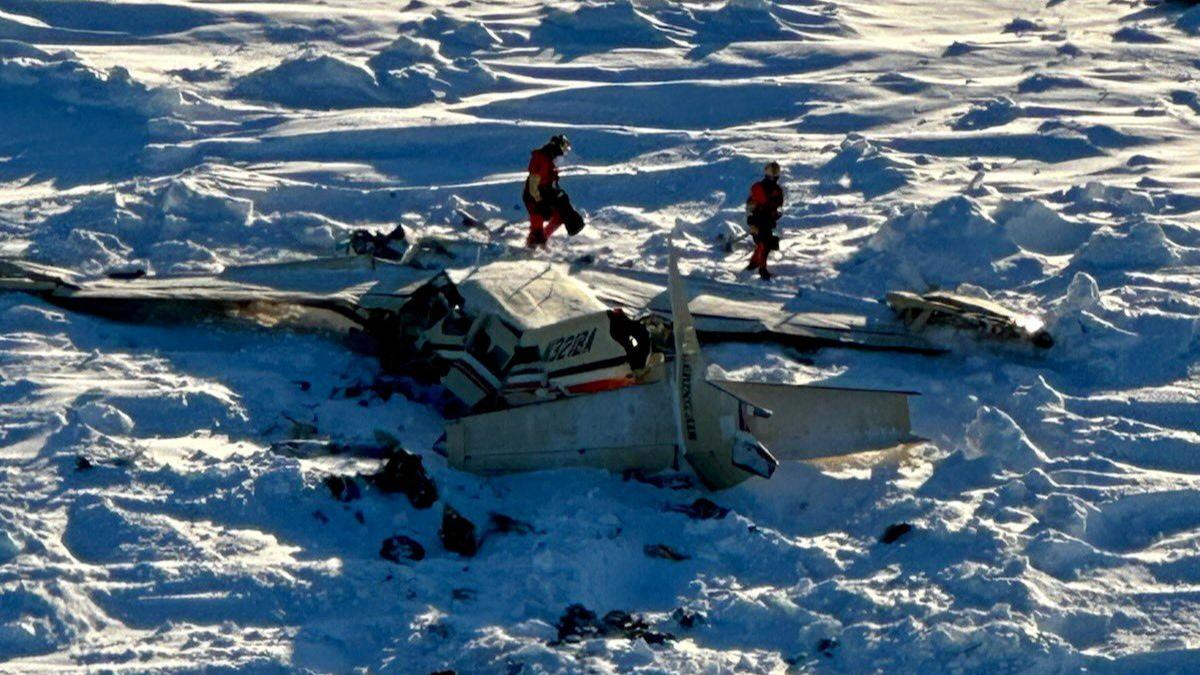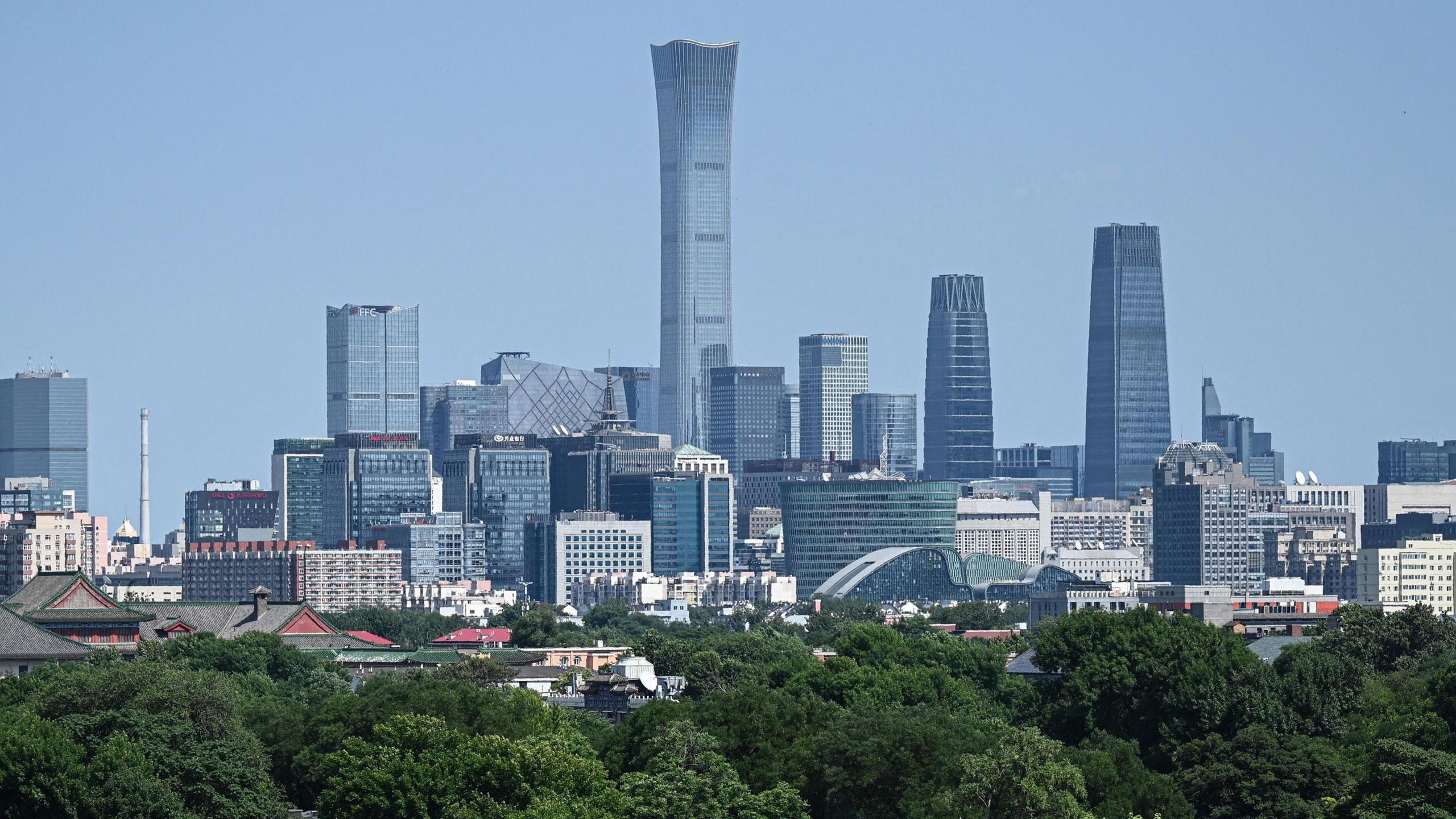
On a humid June morning, a small two‑seat Aurora SA60L from Sunward Aircraft burst into China’s political heart, slamming into the side of the 109‑storey CITIC Tower. The single‑engine aircraft was hit on the southern façade, creating a jagged hole now boarded up. The pilot died; thirteen people on the ground suffered injuries.
The only official statement China has released is a terse 60‑word report from the state‑owned Beijing Daily, offering scant details beyond the basic facts. Since that crash, authorities have grounded light aircraft operations city‑wide, but aviation firms are reluctant to speculate, citing instructions not to discuss the incident.
This event has unfolded against a backdrop of stringent air‑space control: Beijing’s core zone, including Zhongnanhai and Tiananmen Square, covers roughly 100 km² and normally prohibits unrestricted low‑altitude flight. The accidental breach of this “no‑fly” envelope has spurred experts to label the collision a “massive security breach.”
The crash arrives at a moment when China’s leaders themselves seem uncertain about the cause. Censorship machinery erupted swiftly—footage and unrelated images of the tower were scrubbed from Chinese social media, and comments on other platforms were muted. According to Manya Koetse of the Eye on Digital China newsletter, the speed of the post‑incident censorship indicates the government’s discomfort with the lack of clarity.
Analysts argue the crash could stem from pilot error, mechanical failure, or an intentional act. The possibility of a deliberately‑aimed flight is unsettling, leading to speculation that officials tied to air‑defence and security might face dismissal or reassignment.
The incident calls to mind earlier historic breaches—German pilot Mathias Rust’s 1987 flight to Moscow’s Red Square, or the 9/11 attacks in the United States. Yet it remains uniquely frightening because it occurred within a city maintained by one of the world’s most strictly regulated air‑space management systems.