In brief
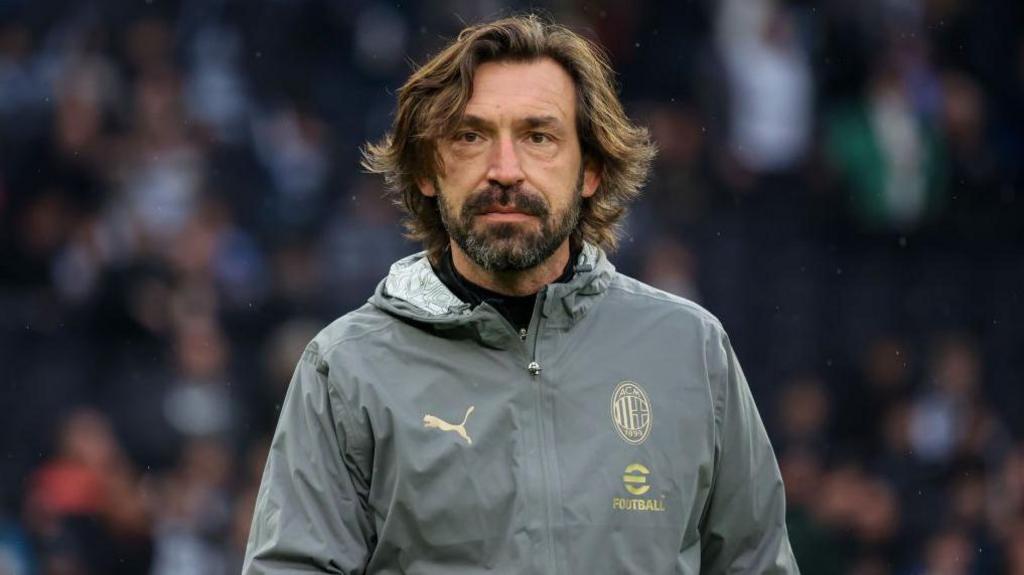
Andrea Pirlo withdrew his candidacy for Italy’s head coach after a wave of criticism over his role with Russian betting firm Fonbet. The Italian Football Federation had earmarked Pirlo for the job, but political pressure forced his resignation. The decision follows incidents in Moscow and associations with pro‑Kremlin figures that sparked a national debate about political neutrality in sports. The controversy also threatens the current FIGC technical team and may impact Italy’s prospects for Euro 2028. Several other high‑profile names remain in the running for the job as the federation grapples with calls for reform.
Andrea Pirlo stepped aside from the Italy national team head‑coach candidacy following a backlash over his ties to Russian bookmaker Fonbet. The decision came after days of political pressure and media scrutiny over the former midfielder’s association with a firm that sponsors sporting events linked to the Kremlin.
Despite the Italian Football Federation not yet having officially confirmed Pirlo, the appointment was seen as all but guaranteed. His tenure as a global ambassador for Fonbet, beginning in October last year, proved to be a severe liability amid Italy’s political stance on the Ukraine war.
The betting company has sponsored events involving veterans of Moscow’s war in Ukraine, and Pirlo appeared at several Fonbet‑backed events alongside pro‑Kremlin figures, raising questions about the suitability of a national coach involved with political controversies.
Carlo Calenda of the Azione party stressed that anyone who has promoted Russia after 2022 should not hold national office. In an Instagram post, Pirlo clarified that his role with United FC in Dubai was purely commercial and sporting, and that no political ideology was attached to the work.
The debate now extends to FIGC technical director Paolo Maldini, who may face resignation if the turmoil continues. Maldini, recently appointed, is tasked with selecting a new head coach; the federation has considered names such as Antonio Conte and Roberto Mancini.
The controversy highlights a period of soul‑searching for Italian football after failing to qualify for a third consecutive World Cup, leading to the departure of former coach Gennaro Gattuso and a call for cultural, ethical and managerial reforms.
With the September Nations League group and the Euro 2028 qualifiers looming, the federation’s leadership decisions will be crucial for Italy’s sporting future.