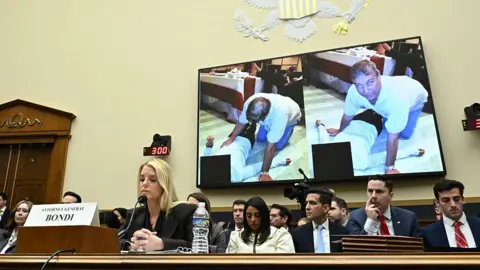
US Attorney General Pam Bondi defended the justice department's handling of the Epstein files and faced a barrage of angry questions on other issues during a fiery congressional hearing on Wednesday.
Her testimony before the House of Representatives Judiciary Committee descended at times into a shouting match, with Bondi at one point calling a Democrat a washed up loser and, after another heated exchange, one lawmaker even stormed out.
Here are some of the key exchanges from the four-hour hearing.
1. Epstein victims watch as Bondi defends redactions
The hearing followed the release by the justice department earlier this year of millions more files from its investigations into the convicted sex offender Jeffrey Epstein.
Several of Epstein's victims were seated behind Bondi at the hearing, and lawmakers frequently referenced them.
In her opening statement, Bondi called Epstein a monster and told the victims she was sorry for the abuse they endured. However, lawmakers then directed a host of complaints at Bondi about how the justice department has handled its release of the files. Several criticized what they claimed was a failure to redact the names of victims as required by law.
Democratic Representative Pramila Jayapal stated that in some cases nude images of survivors were released, despite some having had their identities protected for decades. She asked survivors in the room to stand, which led all of them to rise, and then urged Bondi to apologize for the justice department's handling of redactions.
Bondi fired back, dismissing Jayapal's questioning as theatrics and stating, I'm not going to get in the gutter with this woman. The attorney general defended her department, claiming they were doing their best to protect victims in accordance with the legally mandated timelines for file releases.
2. Republicans join in over Epstein complaints
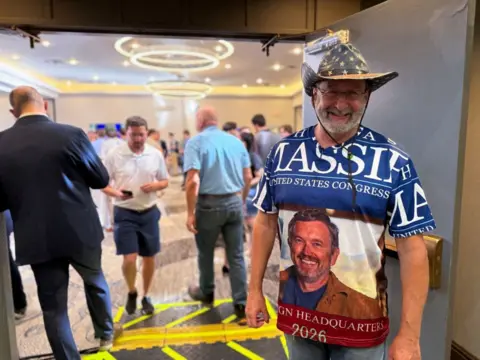
The hearing turned tense over names in the Epstein files that had been redacted. Bipartisan lawmakers accused the justice department of improperly removing names of individuals not protected by redaction. Thomas Massie, a Republican, expressed a desire to know who was responsible for the redactions.
He asserted that the issue transcended political boundaries, dubbing it bigger than Watergate. The confrontation intensified as Bondi criticized the political dramatics surrounding the issues, suggesting they were more about politics than policy.
3. Lawmaker asks about Andrew Mountbatten-Windsor
Representative Ted Lieu brought up Andrew Mountbatten-Windsor during the discussions, who has been under pressure to testify about his connection to Epstein. The hearing showcased a photo of the former prince in questionable circumstances, further instigating inquiries about his alleged involvement.
Lieu pressed Bondi on why this evidence had not been used against Mountbatten-Windsor. Bondi deflected the inquiry, suggesting Lieu should have addressed his concerns with former Attorney General Merrick Garland.
4. Democrats push for Minneapolis investigation
While the Epstein files dominated the hearing, Bondi was also quizzed on the fatal shooting of two individuals by federal immigration agents in Minneapolis, which sparked nationwide protests. Representative Steve Cohen accused the justice department of failing to investigate what he termed executions and urged for accountability.
Bondi stood firm in her defense of the federal government's actions, attributing unrest to local elected officials confronting federal authorities.