In brief
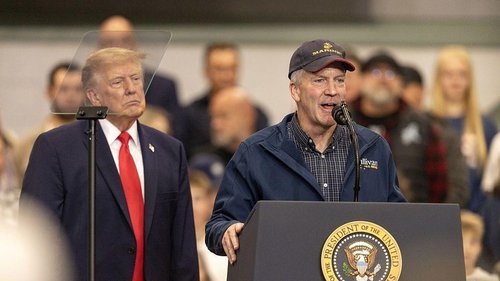
On February 24, 2025, a significant clash unfolded at the U.N. General Assembly regarding the ongoing conflict in Ukraine, marking the third anniversary of Russia's aggressive invasion. The United States, under President Trump, voted against a resolution that sought to enforce the immediate withdrawal of Russian forces and strongly condemned Russia's actions. This vote highlighted a conspicuous rift between the U.S. and its European allies, who largely backed the resolution proposed by Ukraine.
Mariana Betsa, Ukraine's Deputy Foreign Minister, made a compelling case for the resolution, emphasizing the ongoing devastation to Ukraine and the broader implications for global stability. The resolution called not only for Russia's immediate withdrawal but also outlined the need for accountability for alleged war crimes committed during the conflict.In contrast, the U.S.'s proposed alternative resolution, which passed alongside the Ukrainian proposal, was markedly shorter and less direct. It merely urged an end to the conflict while omitting any mention of Russia’s aggression. President Trump had created additional controversy by labeling Ukrainian President Volodymyr Zelensky as a “dictator” in a recent call, alongside unfounded claims that Ukraine instigated the war.This clash at the U.N. underscores a profound transformation in American foreign policy and raises questions about the future of alliances regarding European security in light of Russia's actions.