In brief
Following its 16‑year rule, the PDP is now trapped in court‑caught factional battles and widespread defections. A 2025 convention in Ibadan ousted key leader Nyesom Wike, crippling its ballot presence. State governors have moved to the APC, leaving the party with no states. Loyalists still hope for a comeback with potential alliances, but the path ahead is uncertain.
Once the undisputed powerhouse of Nigerian politics, the Peoples Democratic Party (PDP) now stands on the edge of extinction as it battles infighting, court‑related leadership disputes and a streak of defections.
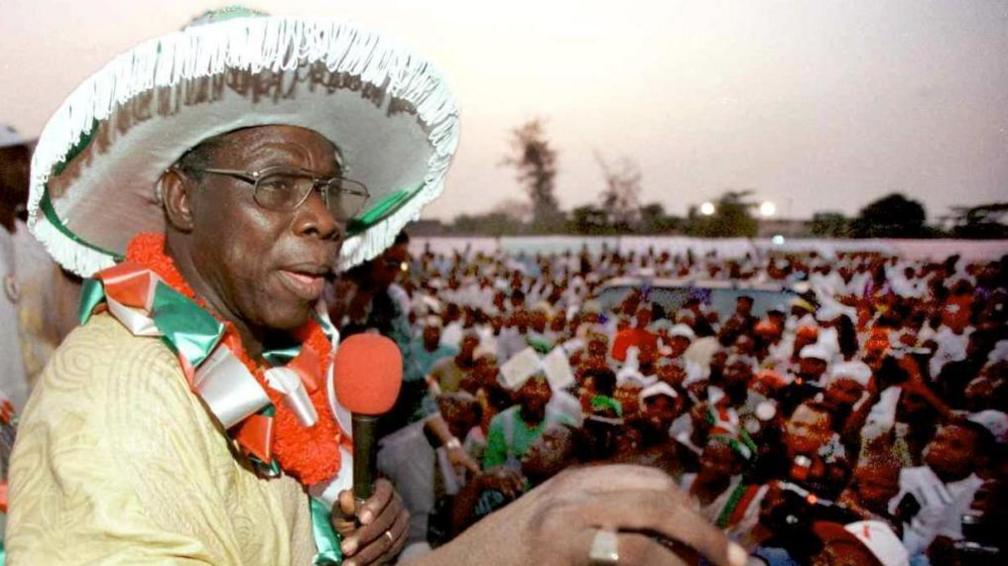
After a 16‑year reign marked by Presidents Olusegun Obasanjo, Umaru Musa Yar'Adua and Goodluck Jonathan, the party’s fate was sealed in the 2015 presidential election when its presidential candidacy was defeated by Muhammadu Buhari’s newly formed All‑Progressive Congress (APC). The loss set the backdrop for an internal crisis that escalated in 2025.
In November the PDP held a contested national conference in Ibadan that the courts tried to stop. The event expelled multi‑term Governor Nyesom Wike, a founding member who was now serving in President Bola Tinubu’s APC regime, sparking a bitter standoff between Wike’s faction and the group that was deemed the legal PDP.
The fallout forced five state governors – from Delta, Akwa Ibom, Enugu, Bayelsa and Rivers – to defect to the APC, reducing the PDP’s control from eight states at the start of the year to zero by December. Even Origi state slipped from the party’s stronghold last month, leaving the PDP with no gubernatorial seats.
Political analyst Ishaq Buhari assesses the crisis as an "a new challenge they struggled with from the start," while veteran PDP member Aminu Adamu and analyst Deji Olarenwaju envision a comeback that hinges on learned lessons from other global parties and potential alliances with the African Democratic Congress or the Nigeria Democratic Congress.
Amid the chaos, the PDP’s legacy – and its chance to dominate the incoming 2025 elections – hang in the balance as internal fractures weaken its organisational base and erode voter confidence.