
In brief
A blend of hope and apprehension fills the room as the region contemplates the implications of a second Trump presidency on ongoing conflicts and alliances.
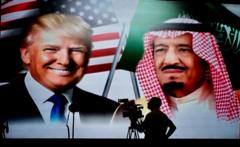
As leaders from various Arab and Islamic nations convene in Riyadh, discussions swirl around what another Donald Trump tenure would mean for the Middle East. In stark contrast to European concerns regarding Trump's unpredictability, Gulf nations see him as a stabilizing force. Khalaf al-Habtoor, a prominent UAE businessman, expressed in the Arab News that Trump's commitment to strengthening alliances could provide a pathway to enhanced security in a region where such concerns dominate.Trump's first term established a notable rapport with Saudi Arabia, choosing Riyadh as the destination for his inaugural overseas trip in 2017 — a move influenced by media mogul Rupert Murdoch. His close ties with Crown Prince Mohammed bin Salman (MBS) are particularly significant, especially in light of Biden's previous comments that labeled Saudi Arabia as a "pariah" due to its human rights record. Trump’s administration is credited with facilitating the Abraham Accords, which created diplomatic bridges between Israel and several Arab nations, yet his policies also sparked backlash, especially from the Arab world, by recognizing Jerusalem as Israel's capital and supporting Israeli annexations. Moreover, his hardline stance on Iran solidified his position among Gulf states, particularly after withdrawing from the Iran nuclear deal and ordering the assassination of key military figures in the region.Today's Middle East, however, presents new dynamics. With ongoing conflicts involving Israel, Hamas, and Hezbollah, as well as deterioration of U.S. influence under Biden, the outlook is complex. Observers note that Trump's return could potentially embolden Israeli military actions against Iranian interests, drastically influencing regional security dynamics.Meanwhile, a remarkable shift occurred this past year as Iran and Saudi Arabia resumed diplomatic relations brokering peace talks aimed at ending longstanding hostilities, notably in Yemen. These developments highlight the evolving nature of Middle Eastern politics. Amid these transitions, the expectation of a Trump presidency raises both hope for further normalization efforts and apprehension surrounding potential escalations in conflict, underscoring the uncertainty that still clouds the Middle Eastern landscape.


