In brief
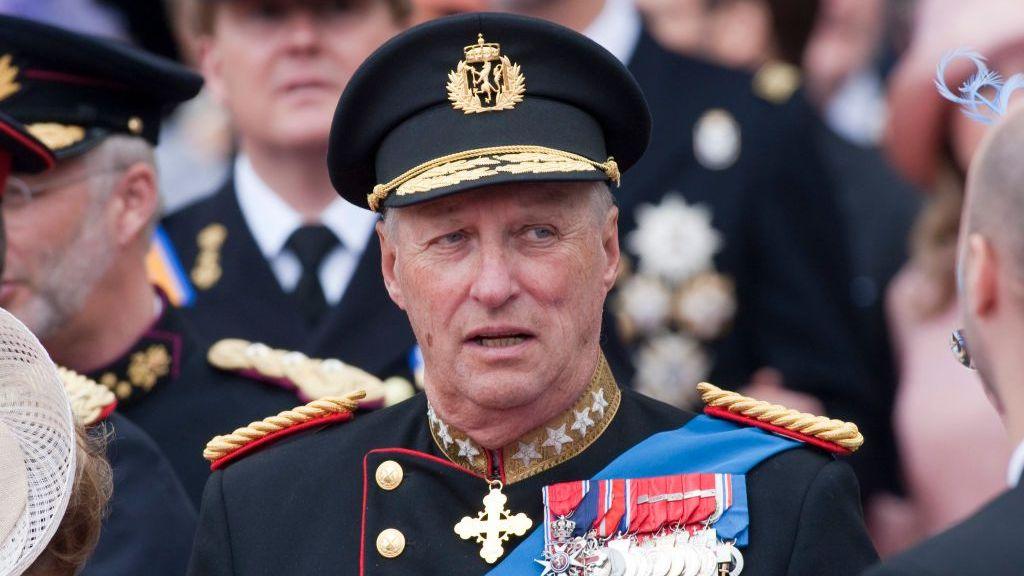
King Harald V of Norway, 89, passed away peacefully at the Royal Hospital in Oslo after a treatment for a rare blood condition. The royal flag was lowered to half‑mast, and crowds staged memorial florals outside the palace. He reigned for 35 years, modernised the monarchy, and became a symbol of stability after terror attacks in 2011. His son, Haakon, has already been announced as the next monarch.
King Harald V of Norway died at 06:35 local time (04:35 GMT) on Friday, aged 89, after a hospital stay for a rare blood condition. The flag on the Royal Palace was lowered to half‑mast and the royal family held a public memorial outside the palace.
Harald had been hospitalized since 17 August and was treated for haemolytic anaemia. His son, Haakon, 53, has been acting as regent during the final days.
Harald was Norway’s first king born in the country since the 14th century and reigned for 35 years, bringing transparency and modernisation to the monarchy. He married commoner Sonja in 1968 and their union was seen as a significant break from traditional royal norms.
He was a unifying figure during the 2011 terrorist attacks on Oslo and Utøya, and his televised address the following day was widely remembered for its genuine empathy and vulnerability.
During his reign the Norwegian monarchy became more egalitarian, with the king openly discussing finances and health and supporting diversity in society. He was also a keen athlete, sailing three times for Norway in the Olympics.
Since the announcement, the royal family has faced additional scrutiny. Mette‑Marit, the king’s daughter‑in‑law, received a lung transplant in 2024 and there have been controversies involving her son, Marius Borg Høiby, and former associate Jeffrey Epstein.
Despite these dramas, public sentiment towards King Harald remains largely positive. He is remembered as a “People's king” and a grandfatherly figure who maintained calm during national crises.
The new king, Haakon, will now face the challenges of succeeding his father while balancing public expectations as the Norwegian monarchy transitions into a modern era.