In brief
Richard Itoro, who had spent over 15 years building a car‑dealership and a home in Johannesburg, walked the thin line between fear and hope when anti‑migrant demonstrations turned violent. Facing harassment and a hostile neighbourhood, he chose voluntary repatriation flights – a move that left his South African wife and children alone in the country. The incident is one of many that have strained diplomatic ties and prompted Nigeria and South Africa to confront the reality of foreign residents and the rising use of “voluntary” exit flights. In parallel, the story of Ghanaian hairdresser Emmanuel Asamoah, who faced confrontational demands to leave, underscores how economic pressures and high unemployment rates are fueling intolerance. Together, these experiences illustrate the volatile mix of migration, politics and societal fears in Southern Africa.
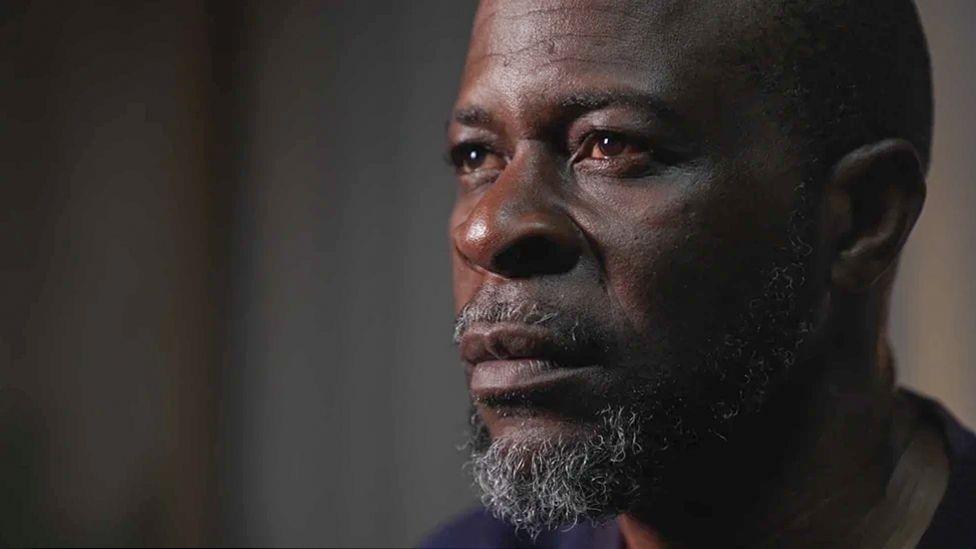
At 47, Richard Itoro had built a life in Johannesburg: a thriving car–dealership, a family and a sense of belonging.
When anti‑migrant protests turned from marches to mob‑style hostility, his days grew crowded with intimidation.
He heard neighbors shout, “You married a Nigerian – we should arrest you – leave now.” This narrative felt more like a threat than a rumor.
Facing danger and a fractured sense of safety, Itoro chose to evacuate, boarding one of the voluntary repatriation flights to Nigeria in June.
The departure was painful; he slid his voice through the terminal, describing tears once more when he said goodbye to his wife and twins.
The Nigerian high commission denied the possibility of his family accompanying him. He discussed the very strange bureaucratic channel that needed a paper stamp to validate his legal status while saying it was no longer enough to protect him from hostility.
His story echoes a broader wave of foreign nationals leaving South Africa over the past months. Tens of thousands have taken similar paths.
Meanwhile, the reaction has put pressure on South Africa’s diplomatic line. Abuja’s Minister of State for Foreign Affairs, Sola Enikanolaiye, highlighted that Nigerians did not cross the border illegally and are being attacked.
The South African foreign minister echoed governmental stances, reinforcing a firm approach and citing the country’s sovereign right to enforce immigration laws.
Not just Nigerians, other migrants are facing new realities. Ghanaian hairdresser Emmanuel Asamoah, who once sought advancement in Johannesburg, was escorted by vigorous protestors demanding he depart.
He later retreated to Ghana, where he has restarted entrepreneurship.
These stories reveal a misaligned sense of unity within Africa. South Africa’s frictions battle with high unemployment rates and a frustrated public sentiment.
The diplomatic dialogue remains crucial: South Africa is seen as the region’s beacon of open borders, whereas other nations hope that those who come without papers will exit.
While the health and safety of migrants remain a topic, the overall context of migration is evolving dramatically – with each departure adding a new chapter.
Reporting: Makuochi Okafor and Thomas Naadi, BBC Africa, with additional notes by Abayomi Adisa.
🔥 More on this story