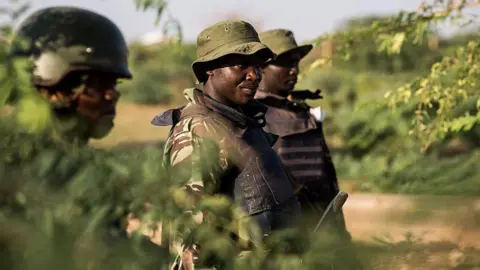
Nigerian officials have announced that schools in Niger state will start reopening later this month, following a mass abduction in November that forced their closure as part of emergency security measures.
From 12 January, public and private schools in safe and secure areas will be allowed to reopen, the Niger state's education ministry stated.
The decision follows security assessments and extensive consultations with security agencies, it added.
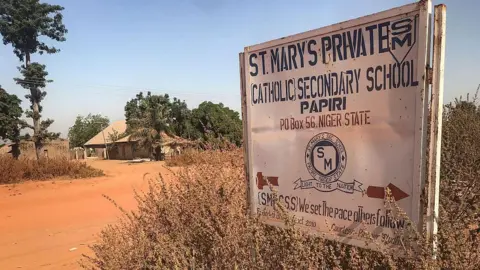
November's kidnapping of more than 250 students and staff from St Mary's Catholic school in Papiri, western Nigeria, was one of the country's worst abductions to date.
Officials confirmed that all of the missing students and teachers had been rescued just before Christmas. However, details regarding how their release was secured remain unclear.
For years, armed criminal gangs, known locally as bandits, have perpetrated killings and kidnappings across various parts of Nigeria, with heightened reports in the north-central region.
Schools and religious sites have increasingly been targeted by these criminal elements, prompting the government to classify them as terrorists.
More than 1,500 children have been abducted from schools nationwide since 2014, when the infamous Chibok mass abduction occurred.
It is not yet clear which specific schools will be reopening, although a list is set to be published. Schools in unsafe or insecure areas will remain closed until the security situation is deemed satisfactory.
Those schools that do reopen will require every child to be registered within a week of classes resuming, with data to be sent to the education ministry.
Local officials have been instructed to ensure a visible security presence around school premises to protect students from future attacks.
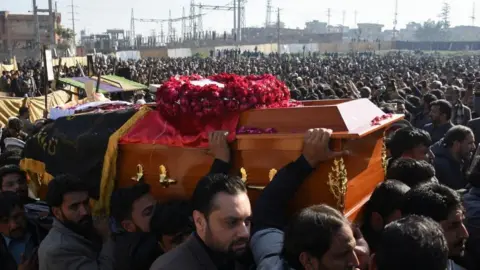
However, just one day after the reopening was announced, a deadly attack in Niger state left at least 30 people dead, further illustrating the ongoing security challenges in the region. Gunmen attacked the town of Kasuwan-Daji, burning down the local market and looting shops.
Residents are terrified, with those in the community expressing fear of retaliation for speaking out. Abdullahi Rofia from the Niger State Emergency Management Agency reported that people are hiding and too afraid to communicate.
Additional reporting by Richard Kagoe and Makuochi Okafor.