In brief
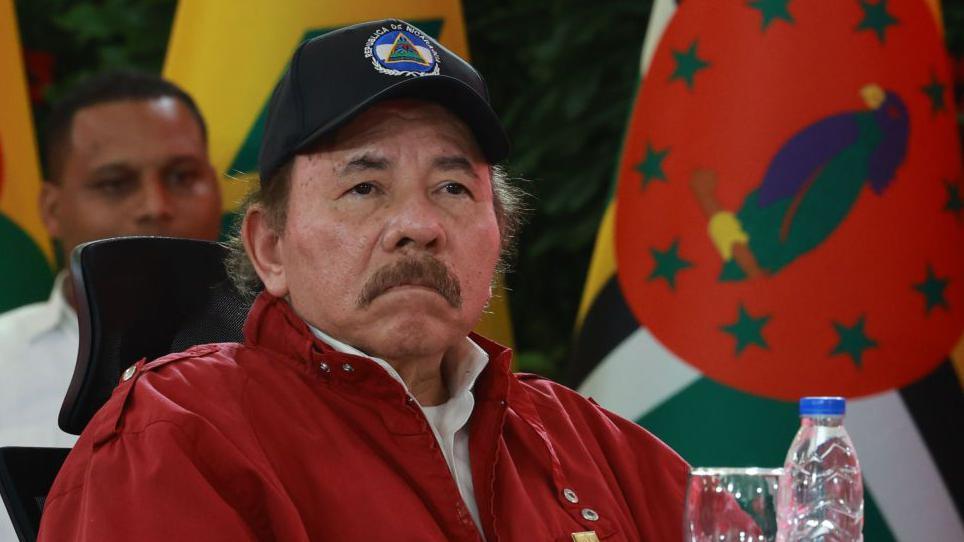
President Daniel Ortega, who has ruled since 2007, is pushing to extend his term by one year in a legislative package that also bars opposition forces deemed “traitors” from holding office. The National Assembly is expected to vote on the extension in September. Ortega’s administration has removed term limits in 2014, lengthened the current term from five to six years in 2024, and even designated his wife Rosario Murillo as a potential successor. Critics warn the reforms deepen an authoritarian grip and erode democratic norms, with opposition figures jailed, exiled or stripped of citizenship.
President Daniel Ortega, who has led Nicaragua since 2007, announced plans to extend his term in office by an extra year as part of a broader constitutional overhaul. The National Assembly, dominated by Ortega’s loyalists, is slated to approve the bill in September.
The proposal also includes provisions that would forbid opponents labelled “traitors” or “coup plotters” by the regime from running for any public office. Such measures follow a pattern of tightening control: in 2014 term limits were removed, in 2024 the term length was increased from five to six years, and the legislature approved Ortega’s wife Rosario Murillo as a “co‑president.”
Ortega’s rule has become increasingly autocratic, with opposition leaders jailed, exiled, and stripped of citizenship. The regime’s crackdown intensified after the 2018 protests, which saw over 300 people killed, and continues to stifle dissent domestically and abroad.
Allegations of legal erosion and political persecution have been raised by United Nations human rights chief Volker Türk, who noted that the crackdown has deepened since the last election in 2021. Under Ortega’s leadership, the country’s democratic institutions have been weakened, and many former opposition figures in exile face retaliation, including loss of property and citizenship.