In brief
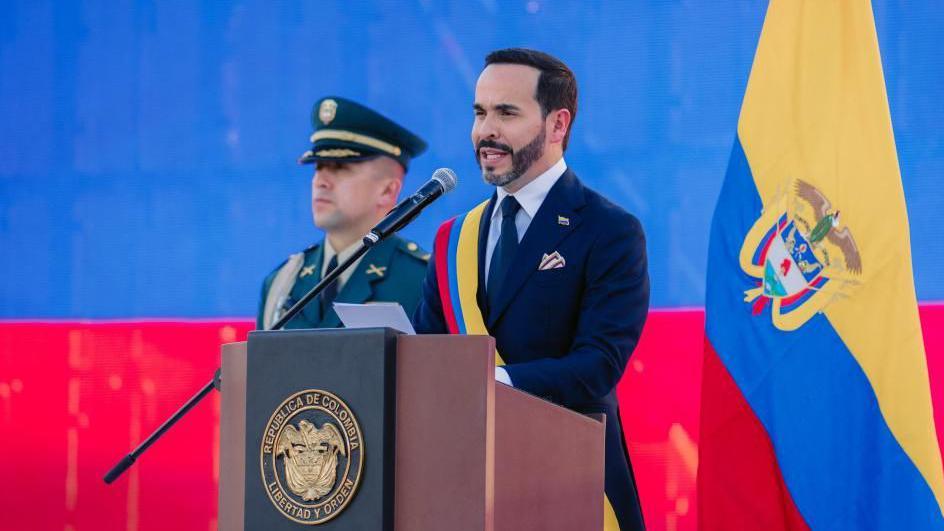
Within days of taking office, Colombia's newly elected president Abelardo de la Espriella announced a decisive military operation that eliminated rebel leader Hernando Forero Mosquera, a top exponent of the Farc’s Frente 28 faction. The strike, part of a broader anti‑narco‑terrorism campaign, came amid renewed attacks by dissident groups that frayed the 2016 peace accord. De la Espriella’s hard‑line tactics contrast sharply with his predecessor’s negotiation‑focused strategy, and the U.S. government has pledged substantial security assistance to support the new administration’s anti‑crime push.
In a military operation carried out over the weekend, Colombian security forces killed Hernando Forero Mosquera, also known as “El ruso,” a suspected commander of the dissident Front 28 faction of the Revolutionary Armed Forces of Colombia (FARC). This action was announced by the country’s new president, Abelardo de la Espriella, who was sworn in on Friday and has vowed a hard‑line crackdown on illegal armed groups.
De la Espriella said the operation, which also killed five alleged associates of Forero, sends a “clear and powerful message to all bandits that there is nowhere for them to hide.” The president’s campaign promised relentless attacks on “narco‑terrorism,” including the use of air strikes— a stark departure from his predecessor Gustavo Petro’s negotiation‑focused “total peace” strategy.
Military intelligence identified Forero as the strategist behind Front 28, a splinter faction that emerged after the 2016 peace accord failed to persuade all FARC members to disarm. These dissident groups have been blamed for the resurgence in violence throughout Colombia through cocaine trafficking and illegal mining.
On Sunday, only a day after his inauguration, the government reported further attacks: a car bomb at a tollbooth in Cauca province injured two guards, while a drone‑delivered explosive killed a police officer in Cesar province. De la Espriella lauded the military for eliminating Forero— a noted explosives expert— and for killing three more alleged Front 28 members in Meta. The administration claims that soldiers also eliminated two suspects of another armed group, the Gulf Clan, in an offensive in Antioquia.
The U.S. has pledged $1 billion in security assistance to support the president’s campaign against drug trafficking gangs, and welcomed Colombia into the “Shield of the Americas” alliance, a western‑hemisphere coalition aimed at combating transnational crime.
While the new administration promises a swift end to the violence, dissident groups have already retaliated, and the effectiveness of de la Espriella’s strategy remains to be tested amid growing regional and domestic political pressure.