In brief
In a year of fire and merciless tariffs, Nebraska rancher Yvette Mannon has faced the cost of rebuilding fences at nearly $5 per foot and the fallout of a Trump‑era beef import plan that shook the cattle market. Rising diesel prices, higher fertilizer and lumber costs, and a heaving global supply chain have pushed farmers further into debt. Despite these pressures, many still back Trump—citing his focus on American jobs—yet voices of frustration are echoing in the state ahead of the 2026 midterms. Politicians and pundits alike debate how best to relieve the burden on the nation’s backbone of agriculture. As the cycle of supply and demand looms, Nebraska’s ranchers endure, hope, and debate with a wary eye on the future.
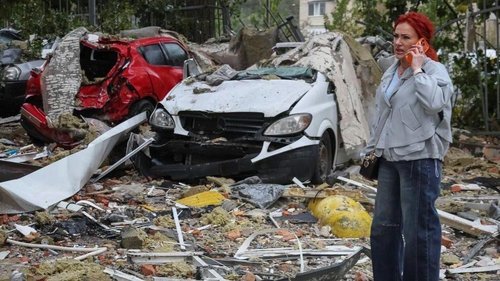
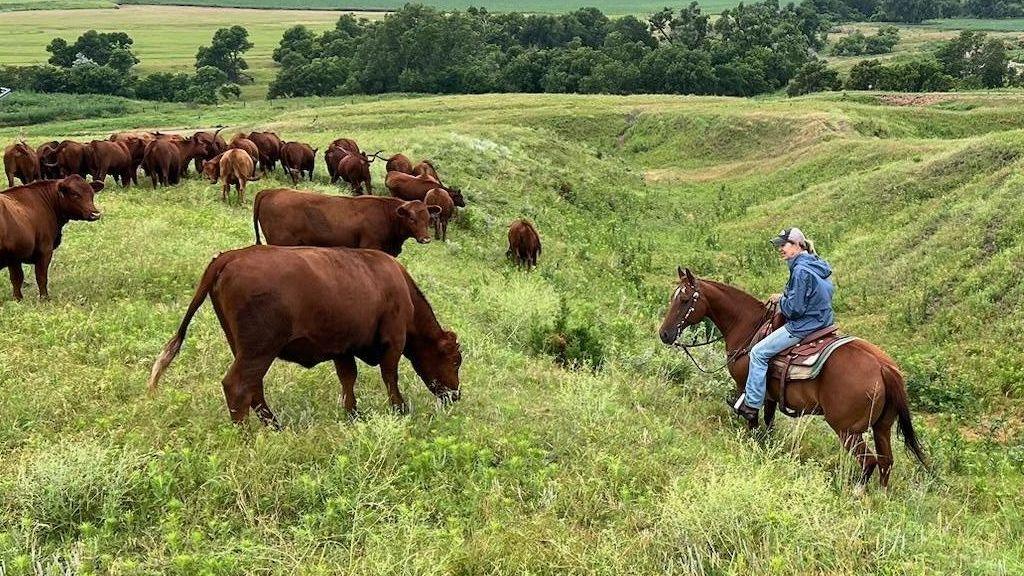
The year 2026 has turned into a price‑tiller nightmare for Nebraska’s cattle farmers. In April, a wildfire gutted 1,600 grazing acres and 13 miles of fence on the 300‑head ranch of Yvette Mannon. While the herd survived, Mannon faced a rebuilding bill exceeding $300,000, driven by steel costs that hit a five‑year high under tariffs imposed by former President Donald Trump.
Compounding the disaster, diesel prices shot up more than 40 percent in the wake of the Iran War. Mannon now drives a tractor daily to deliver hay to her cattle—an operation that drags up a $400‑gallon tank each day. The cumulative effect of rising feed, fuel and equipment has tested the resolve of many front‑yard growers.
Trump‑Imported Beef Hits the Market
In August, the Trump administration unveiled plans to import 300,000 metric tonnes of duty‑free foreign beef during the critical September‑November calf‑weaning window. The announcement sent the U.S. cattle market crashing, the first sharp dip in an otherwise bullish cycle. Mannon, who voted for Trump in 2016 and 2020, reflected: it felt like a betrayal, adding that it “just felt like a disappointment” to his campaign promise to Buy American.
Other Nebraska ranchers share Mannon’s frustration: Jake Wolfinger, 45, who runs a 5,500‑head feedlot near Lexington, said he sold cattle at $240 per hundredweight before the import plan, but the figure fell to $225, eroding a sizable margin. Wolfinger, a staunch Trump supporter, insists “People need to stay the hell out of farmers’ business” yet admits the administration’s “shoot‑fire‑aim” style pushes the industry into a downturn.
Political Repercussions Loom
As the midterm elections approach, the financial strain on the agricultural sector is reshaping political allegiances. While Nebraska voted overwhelmingly for Trump in 2020, several voters now express discontent. Dan Osborn, an independent candidate, is garnering support in the Senate race, while the state’s Republican governor announces fuel‑price relief measures for farmers. Many ranchers, such as Duane Kimball, self‑financed their farms and only recently realized the “difficult economic reality”; others, like Don Batie, have abandoned plans to pass their farms to the next generation.
In the face of adversity, Nebraska’s cattle industry remains resilient. “People in agriculture are eternal optimists,” Mannon says, underscoring the stubborn hope that will keep the state’s ranches running into a new decade. Yet the collective uncertainty over future policy decisions—and the looming elections—remains a pressing concern for those who depend on a stable market and fair regulations to harvest the nation's bounty.