AI-generated content is everywhere these days, making it increasingly difficult to separate fact from fiction, particularly when it comes to breaking news.
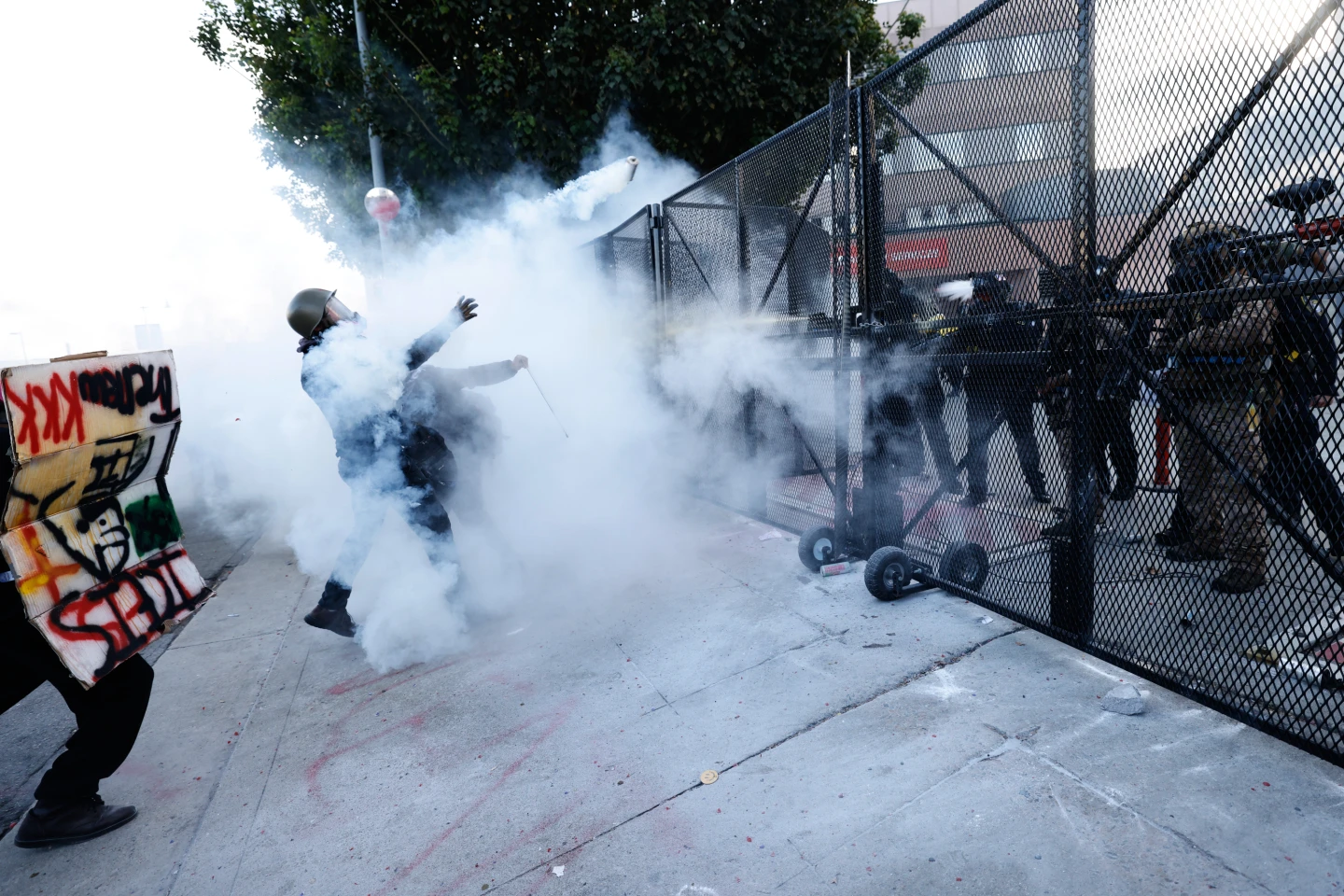
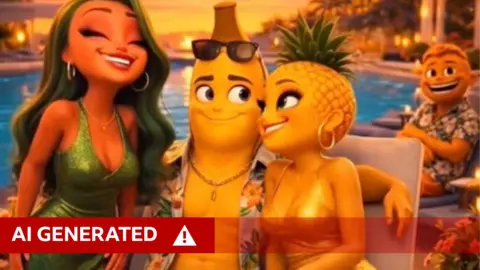
Take the Iran War, for instance. Since the U.S. and Israel began military actions in Iran on February 28, researchers have detected an unprecedented amount of false and misleading images, many produced by AI, that are rapidly disseminated worldwide. These include fabricated bombings, claims about captured soldiers, and even propaganda portraying political figures as cartoonish figures.
With today marking the 10th annual International Fact-Checking Day, we find a perfect moment to reflect on these evolving challenges.
The spread of AI-generated misinformation quickens, fueled by numerous social media accounts from all sides of the conflict. An investigation by the Institute for Strategic Dialogue revealed a network of verified accounts responsible for over a billion views of deceptive AI-generated content since the war's inception.
Strategies to Identify AI-Generated Misinformation
To navigate the flooded waters of misinformation, here are several tips:
- Look for visual cues: Early AI-generated images often had obvious flaws, like odd facial features or nonsensical text. Though these signs have become less prominent, keep an eye out for oddities, such as cars that appear and disappear unexpectedly.
- Seek out a source: Use reverse image searches to trace the origin of suspicious visuals. This can reveal misrepresented content or its original sources.
- Listen to the experts: Rely on verified sources for authentication of images. Fact-checks from reputable outlets can help validate or debunk suspicious content.
- Make use of technology: Various AI detection tools are available, but exercise caution, as results can vary. Technologies like Google's SynthID can recognize watermarks on AI-generated content.
- Slow down: Approach shared information critically and do not act on impulse. User comments and peer insights might offer valuable context.
In a world filled with rapid information sharing, staying alert and informed is crucial. Identifying and questioning potentially fake content is a responsibility we all share.
If you encounter suspicious content, don't hesitate to reach out via email.
For further fact-checks, visit AP Fact Check.