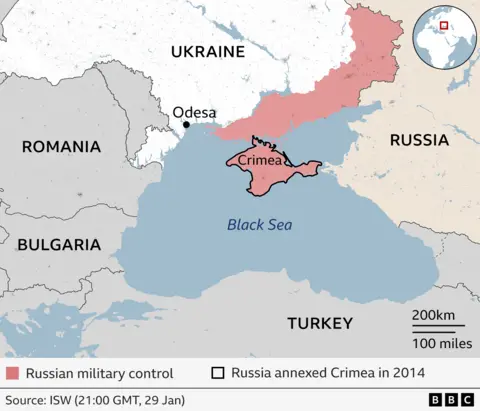
The Black Sea is littered with deadly weapons. But no one knows how many – or where they are.
When we approach it, we should be quiet, we should be slow – and we should be very accurate, says Vitalii, wiggling his hand in a snake-like motion as he describes swimming through dark waters towards the explosive devices resting on the sea floor.
The 31-year-old Ukrainian Navy diver is part of a team of 20 tasked with de-mining the parts of the Black Sea still under Ukraine's control.
Mines are some of the most insidious and long-lasting legacies of war. They remain active and deadly for decades; the ones at sea present additional risks, as they can drift with currents and storms.
Sea mines laid by Moscow at the start of the full-scale invasion pose a serious threat. The danger became painfully real last summer, when three swimmers were killed by mines off the Odesa coast.
The commander of the navy's mine countermeasures group estimates the number of sea mines is in the thousands. But they are not the only danger lurking underwater. Missiles, artillery shells, bombs, and land mines washed downstream during the Kakhovka dam explosion in 2022 also threaten the area.
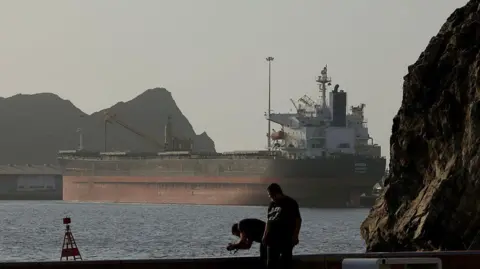
If we speak about unexploded ordnance in general—missiles, artillery shells, aerial bombs—the total number will be many times higher, the commander claims. Despite the scale of the contamination, sea traffic continues, with many merchant ships operating in the critical maritime corridor out of Ukraine.
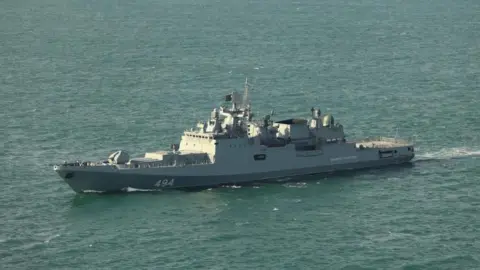
There is parity in the maritime domain at the moment, says navy spokesman Dmytro Pletenchuk, indicating a balance of power despite ongoing land hostilities.
The demining process is meticulous and fraught with danger. Divers are trained to use closed-circuit rebreathers, approach mines silently, and use controlled explosions to ensure mines can be safely detonated or moved. Each operation can take two days and involves the collaboration of a large team under the constant threat of Russian attacks.
For Ukraine, clearing the seabed is crucial for maritime exports, which are vital for the economy, especially as the war continues. Aided by international support, Ukraine's underwater teams are committed to ensuring safer navigation in the Black Sea, one painstaking second at a time.